Top videos

Sorry for the shorter upload, but enjoy anyway. Longer and more frequent videos coming your way soon!
Provided to YouTube by CDBaby
Secretum omega · Verilun
Zetazonveragh
℗ 2024 Verilun
Released on: 2024-01-14
Auto-generated by YouTube.

Beneath the rugged cliffs and hidden ledges of the Grand Canyon, stories whisper of caves that were never meant to be discovered. Tonight, we explore the forbidden caves—their secrets, their mysteries, and what was reportedly found deep within, far from the eyes of ordinary explorers.
The earliest accounts speak of narrow passages, shadowed chambers, and artifacts that defied explanation. Tools, statues, and objects of unknown origin were said to lie in these spaces, preserved in darkness for centuries. Some claim they hint at civilizations far older than those known to history, civilizations that left traces long before recorded time.
Access to the caves was difficult, if not impossible, for most. Steep ledges, hidden openings, and treacherous terrain kept them protected. Those who entered reported strange arrangements, objects that seemed deliberately placed, and signs that these spaces were more than natural formations—they were repositories of something intentionally hidden.
Over time, the story of these caves has been debated, questioned, and sometimes dismissed. Yet the allure remains. What could have been preserved in these secret chambers? What knowledge or relics were considered too powerful—or too dangerous—to be revealed?
This history documentary gently explores what was found in the forbidden caves of the Grand Canyon—the artifacts, the hidden chambers, and the mysteries that continue to fascinate and confound. This is history for sleep, history to fall asleep to, and a calming history to fall asleep journey into secret places, lost treasures, and the quiet shadows of an ancient world waiting to be remembered.
Let the darkness of hidden chambers drift softly into the night, and allow the story of the Grand Canyon’s secret caves to guide you peacefully into rest. Sweet dreams, and good night.

Coffee With A Codex is an informal lunch or coffee time to meet virtually with Kislak curators and talk about one of the manuscripts from Penn's collections. Each week we'll feature a different manuscript and the expertise of one of our curators. We meet over Zoom and everyone is welcome to attend.
On February 2, curator Dot Porter brought out four copies of Secretum secretorum, in Arabic and Latin. Secretum secretorum is a popular treatise presented as a letter from Aristotle to Alexander the Great on statecraft, astronomy, astrology, magic, and medicine. Two of the copies are in Arabic, dating from the 12th and 14th century, and the other two are 15th century copies from Germany.
LJS 459 on Franklin, with link to digitized copy: https://franklin.library.upenn.....edu/catalog/FRANKLI
LJS 456 on Franklin, with link to digitized copy: https://franklin.library.upenn.....edu/catalog/FRANKLI
Ms. Codex 917 on Franklin, with link to digitized copy: https://franklin.library.upenn.....edu/catalog/FRANKLI
Ms. Codex 864 on Franklin, with link to digitized copy: https://franklin.library.upenn.....edu/catalog/FRANKLI
LJS 459 on the Internet Archive (includes PDF): https://archive.org/details/ljs459
LJS 456 on the Internet Archive (includes PDF): https://archive.org/details/ljs456
Steven J. Williams, The Secret of Secrets: the scholarly career of a pseudo-Aristotelian text in the Latin Middle Ages, Ann Arbor, University of Michigan Press, 2003 (Open Access: https://catalog.hathitrust.org/Record/004322691)
More about Coffee With A Codex, including the schedule for three weeks ahead and links to register: https://schoenberginstitute.or....g/coffee-with-a-code
Join our mailing list and receive weekly updates: http://eepurl.com/hPkCMH
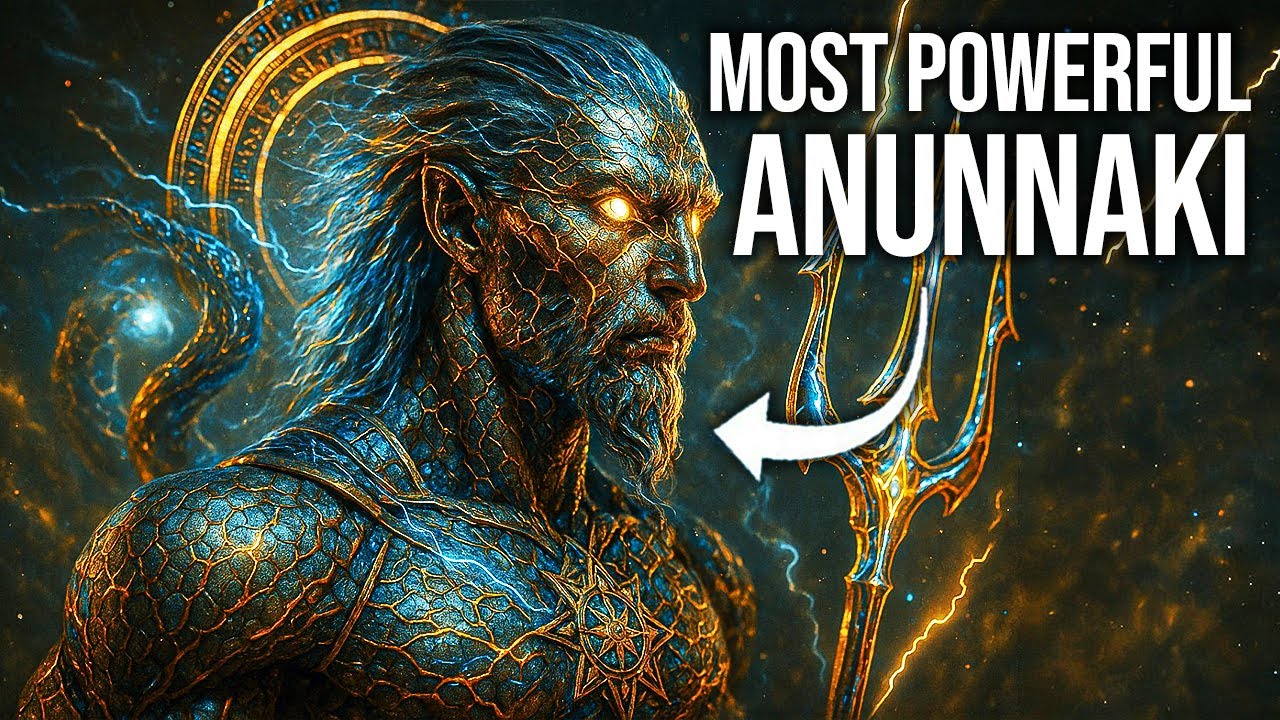
Welcome back, and thank you for joining us tonight. If you’re here for history for sleep, history to fall asleep to, or simply a gentle sleep documentary to help you unwind, you’re in the right place. Tonight, we’ll journey into the ancient heart of Mesopotamia to explore the rise of a god whose name once echoed through every temple and city—a being of order, lightning, and kingship. This is the story of Marduk, the Anunnaki’s most powerful god.
In the earliest ages, before Babylon rose from the plains, the heavens were ruled by older deities—Anu, Enlil, and Enki. But as time moved forward, one god rose above them all. Marduk, born of the divine line of Enki, became the champion of both gods and men. The ancient texts tell of his great battle with Tiamat, the dragon of chaos, whose body he tore apart to form the sky and the earth. In his victory, Marduk claimed the Tablets of Destiny and established a new order in the cosmos. From that moment, he was no longer a son among many—he was king of the gods, the ruler of Babylon, and the divine force that shaped history itself.
Temples across Mesopotamia sang his name. Priests recorded his deeds in hymns that spoke of thunder and renewal, of a god who brought both justice and war. To the Babylonians, Marduk was not merely a figure of worship—he was the soul of their civilization, the light of their empire, and the symbol of divine kingship on earth. Even as centuries passed and empires fell, echoes of Marduk’s power would live on in later religions, his story reshaped but never truly forgotten.
In this history documentary, we’ll gently explore the origins, myths, and legacy of Marduk—the warrior, the creator, and the king among gods. This is history for sleep, history to fall asleep to, and a calming history to fall asleep journey through the myths of Babylon, where the sky itself was born from the victory of a single divine will.
So settle in, let the sound of distant thunder echo softly in your imagination, and allow the story of Marduk—the mightiest of the Anunnaki—to guide you peacefully into rest. Sweet dreams, and good night.

Across ancient stories and scattered traditions, two names appear again and again—the Great Pyramid and Atlantis. One stands in stone, silent and enduring. The other exists in memory, described as a place lost to the sea. Tonight, we explore the quiet possibility that these two mysteries may be connected.
The Great Pyramid is unlike anything around it. Its precision, scale, and alignment suggest knowledge that feels complete from the moment it appears. Atlantis, as described in ancient accounts, is said to have possessed advanced understanding of engineering, geometry, and the stars. The similarities raise a question not often asked directly—could they share the same source?
Some interpretations suggest that survivors of a lost civilization carried their knowledge forward after a catastrophic event. If Atlantis existed and fell, its understanding of structure, measurement, and cosmic alignment may not have disappeared with it. Instead, it could have been preserved, adapted, and eventually expressed in monuments like the Great Pyramid.
The idea does not rely on proof alone, but on pattern. Sudden advances. Precision without clear development. Structures that seem to reflect knowledge inherited rather than discovered. These elements appear in both the legend of Atlantis and the reality of Giza, suggesting continuity rather than coincidence.
This history documentary gently explores what may link the Great Pyramid to Atlantis—the shared themes, the overlapping mysteries, and the possibility that one surviving structure could carry the memory of a civilization long lost. This is history for sleep, history to fall asleep to, and a calming history to fall asleep journey into ancient connections, forgotten knowledge, and the quiet thread that may bind myth and stone together.
Let the distant echo of a sunken world drift softly into the night, and allow the mystery of what connects these two legends to guide you peacefully into rest. Sweet dreams, and good night.
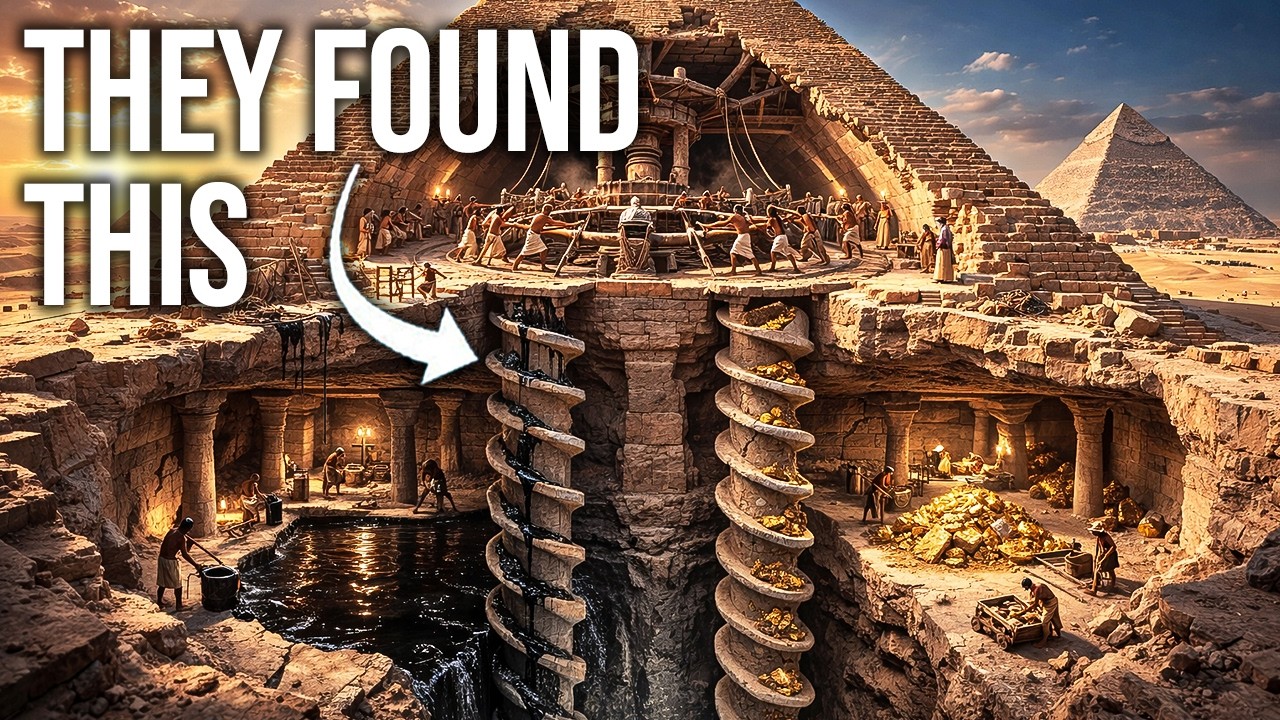
Inside the Great Pyramid, the most intriguing discoveries are not always the grand chambers everyone knows, but the spaces that were never meant to be easily seen. Narrow shafts, sealed cavities, hidden voids, and small upper chambers have turned the pyramid into less of a monument and more of a mystery unfolding in layers. Tonight, we explore what was actually found inside those concealed spaces.
Some of the discoveries were physical and immediate—granite chambers above the King’s Chamber, red quarry marks left by ancient workers, blocking stones hidden deep within the narrow shafts, and empty spaces that seemed to exist for reasons still debated. Others were stranger precisely because they revealed so little. Modern scans uncovered large voids where no known room should be, suggesting that part of the pyramid’s interior remains inaccessible even now.
What stands out is how often absence becomes the discovery. No royal mummy was found. No treasure-filled secret chamber was opened. Instead, investigators found architectural intention, hidden engineering, and sealed features that imply more may still lie beyond reach. The pyramid offers spaces, but rarely explanations.
Each new finding has deepened the puzzle rather than solved it. The hidden chambers reveal careful planning, internal complexity, and a structure far more sophisticated than a simple stone tomb. Whether these spaces were built for relief, ritual, concealment, or something still unknown, they continue to suggest that the pyramid was designed with purposes not yet fully understood.
This history documentary gently explores what was found in the Great Pyramid’s hidden chambers—the known discoveries, the sealed spaces, and the silent voids that still resist interpretation. This is history for sleep, history to fall asleep to, and a calming history to fall asleep journey into concealed architecture, ancient design, and the mystery of what still waits inside the world’s most famous monument.
Let the quiet darkness within the pyramid drift softly into the night, and allow the mystery of its hidden chambers to guide you peacefully into rest. Sweet dreams, and good night.
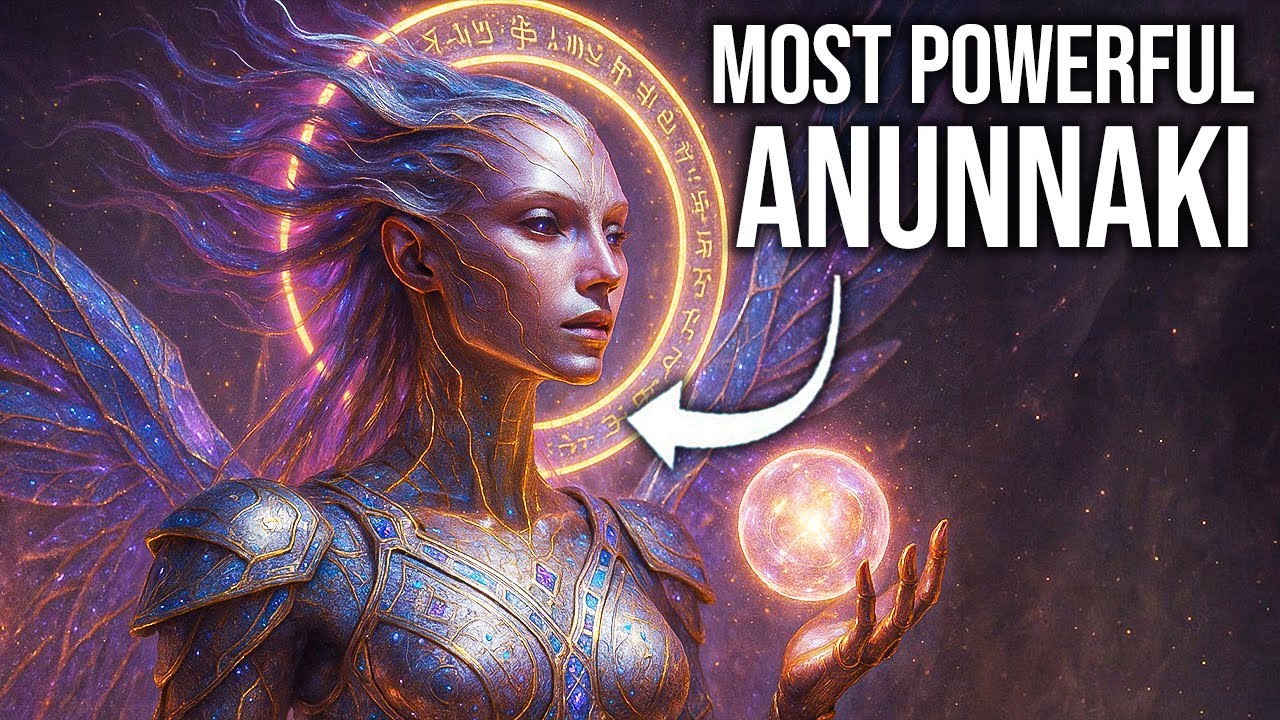
Welcome back, and thank you for joining us tonight. If you’re here for history for sleep, history to fall asleep to, or simply a gentle sleep documentary to help your thoughts drift into rest, you’re in the right place. Tonight, we’ll travel to the heart of ancient Mesopotamia to rediscover a goddess once worshipped across empires—Ishtar, the radiant and terrible queen of the heavens, the most powerful Anunnaki goddess, whose story has been all but forgotten.
In the oldest Sumerian tablets, she was called Inanna—the Morning and Evening Star, the goddess of love, fertility, and war. Later, the Akkadians would know her as Ishtar, the daughter of the moon and sister of the sun, the embodiment of both passion and power. She was beauty and fury in one—the bringer of desire and the destroyer of kings. Her temples towered over cities like Uruk, filled with offerings of gold, incense, and song. Yet behind her divinity lay stories of struggle and transformation, of descent into the underworld and triumphant return, of a goddess who dared to defy even death itself.
Ishtar was unlike any other deity of her time—commanding armies, choosing lovers, and crossing boundaries forbidden to gods and mortals alike. She was the light of Venus in the dawn sky, the celestial wanderer who never faded. But as centuries passed, her name was softened, reshaped, and eventually forgotten, hidden beneath new religions and rewritten myths. Still, her legacy endures—in the stories of Aphrodite, Astarte, and countless echoes of her power that ripple through history.
In this history documentary, we’ll gently explore the life and legacy of Ishtar—the goddess who ruled the heavens, walked the underworld, and changed the meaning of love, war, and divinity. This is history for sleep, history to fall asleep to, and a calming history to fall asleep journey through the temples and tales of the world’s first great goddess.
So settle in, let the ancient light of Venus glow softly in your imagination, and allow the story of Ishtar—the forgotten queen of the gods—to guide you peacefully into rest. Sweet dreams, and good night.
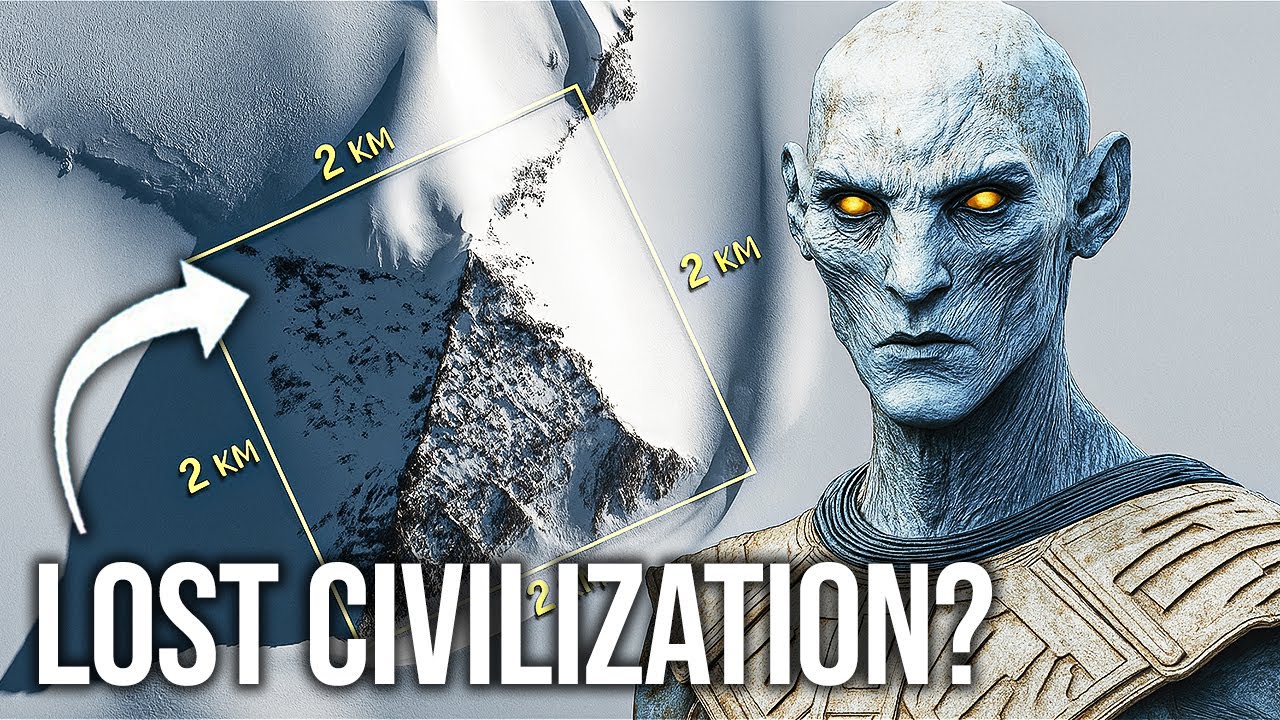
The Black Pyramid of Antarctica: Evidence of a Lost Civilization Beneath the Ice | History for Sleep
Welcome back, and thank you for joining us tonight. If you’re here for history for sleep, history to fall asleep to, or simply a soothing sleep documentary to help you drift into rest, you’re in the right place. Tonight, we’ll journey to one of the most remote and mysterious places on Earth—Antarctica—and explore one of its strangest legends: the Black Pyramid said to lie hidden beneath miles of ice, a possible remnant of a civilization older than any known to history.
Antarctica, a land of endless snow and silence, was not always frozen. Millions of years ago, it was a green continent, covered in forests and flowing rivers. But even in the relatively recent past, some evidence suggests it may not have been as lifeless as we imagine. Satellite images, strange geometric formations, and ancient maps like the Piri Reis chart have led some to believe that what now lies buried beneath the ice could be the ruins of something extraordinary—a pyramid that should not exist, in a place where no civilization is supposed to have ever lived.
Could this be the final clue to a forgotten age? Some theories suggest the Black Pyramid may date back to a time before the last Ice Age, when a global cataclysm buried entire continents beneath oceans and glaciers. Others believe it might be the remains of a lost outpost—perhaps even a remnant of the same mysterious builders who left their mark on Giza, Tiwanaku, and other ancient sites aligned to the stars. Whether natural formation or human-made structure, its shape and symmetry continue to fuel one of the most haunting mysteries of our age.
In this history documentary, we’ll gently explore the legend of the Black Pyramid—the photographs, the theories, the scientific perspectives, and the enduring allure of what may still rest beneath Antarctica’s frozen veil. This is history for sleep, history to fall asleep to, and a calming history to fall asleep journey into the world’s last untouched frontier, where ice guards the secrets of deep time.
So settle in, let the winds of the polar night whisper through your imagination, and allow the quiet mystery of Antarctica to guide you softly into peaceful rest. Sweet dreams, and good night.
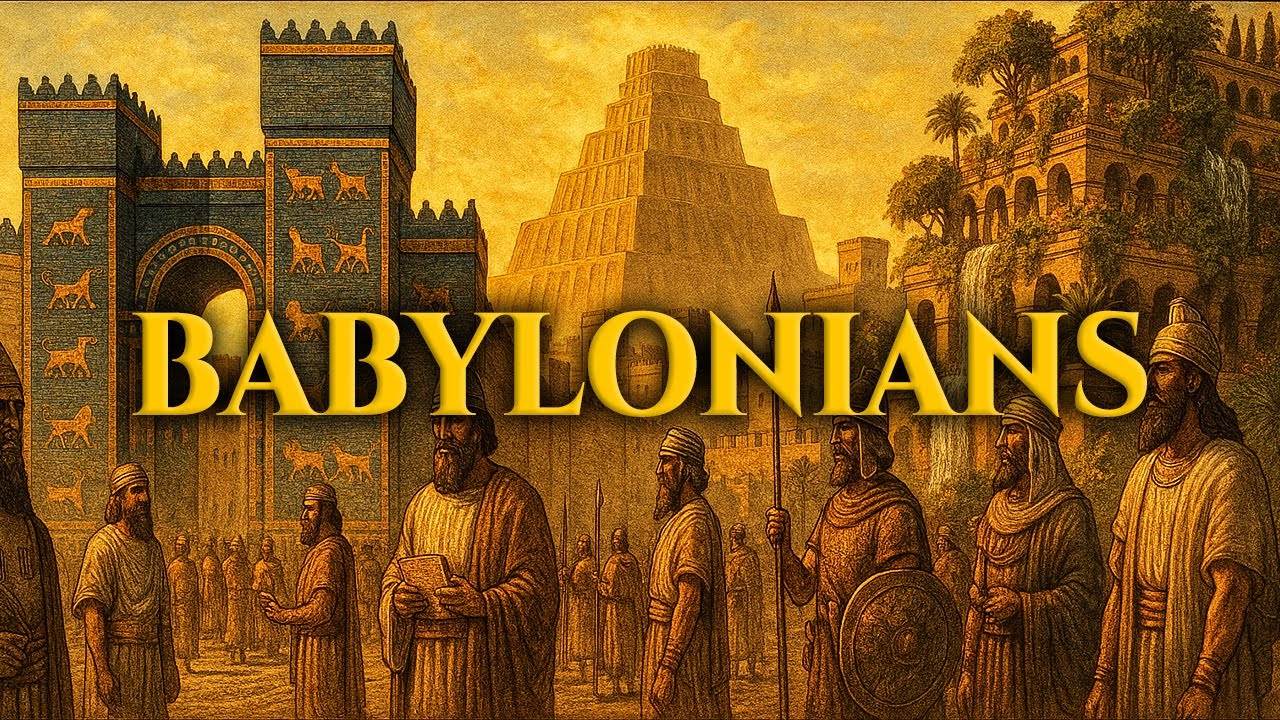
Welcome back, and thank you for being here tonight. If you’re here for history for sleep, history to fall asleep to, or simply a soothing sleep documentary to help you drift off, you’re in the right place. Tonight, we’ll be exploring the story of the Babylonians, one of the most famous civilizations of the ancient world.
The Babylonians rose from the fertile lands of Mesopotamia, in the valleys between the Tigris and Euphrates rivers. Centered on the city of Babylon, they built a culture of kings, priests, merchants, and farmers whose lives were shaped by the rhythms of the rivers and the grandeur of their temples. From the time of Hammurabi, with his famous code of laws, to the later rulers who expanded their empire, the Babylonians created systems of governance, trade, and culture that influenced generations to come.
Babylon was not only a city of power but also a center of learning. Astronomy, mathematics, and literature thrived there, with scribes recording stories such as the Epic of Gilgamesh on clay tablets that survive to this day. Towering ziggurats rose above the city, symbols of devotion and ambition, while the Hanging Gardens—whether real or legend—came to stand as one of the wonders of the ancient world.
Through triumphs and struggles, Babylon’s story was shaped by encounters with neighbors, rival empires, and the cycles of conquest. It stood against the Assyrians, rose again under Nebuchadnezzar II, and eventually fell to the Persians under Cyrus the Great. Yet even in decline, the memory of Babylon endured, woven into scripture, myth, and the imagination of later civilizations.
In this history documentary, we’ll gently follow the rise, reign, and legacy of the Babylonians—their kings, their achievements, and the lasting echoes of their civilization. This is history for sleep, history to fall asleep to, and a calming history to fall asleep journey into the heart of Mesopotamia.
So settle in, let the story of the Babylonians unfold softly, and allow the rivers, temples, and legends of their ancient world to guide you peacefully into rest. Sweet dreams, and good night.
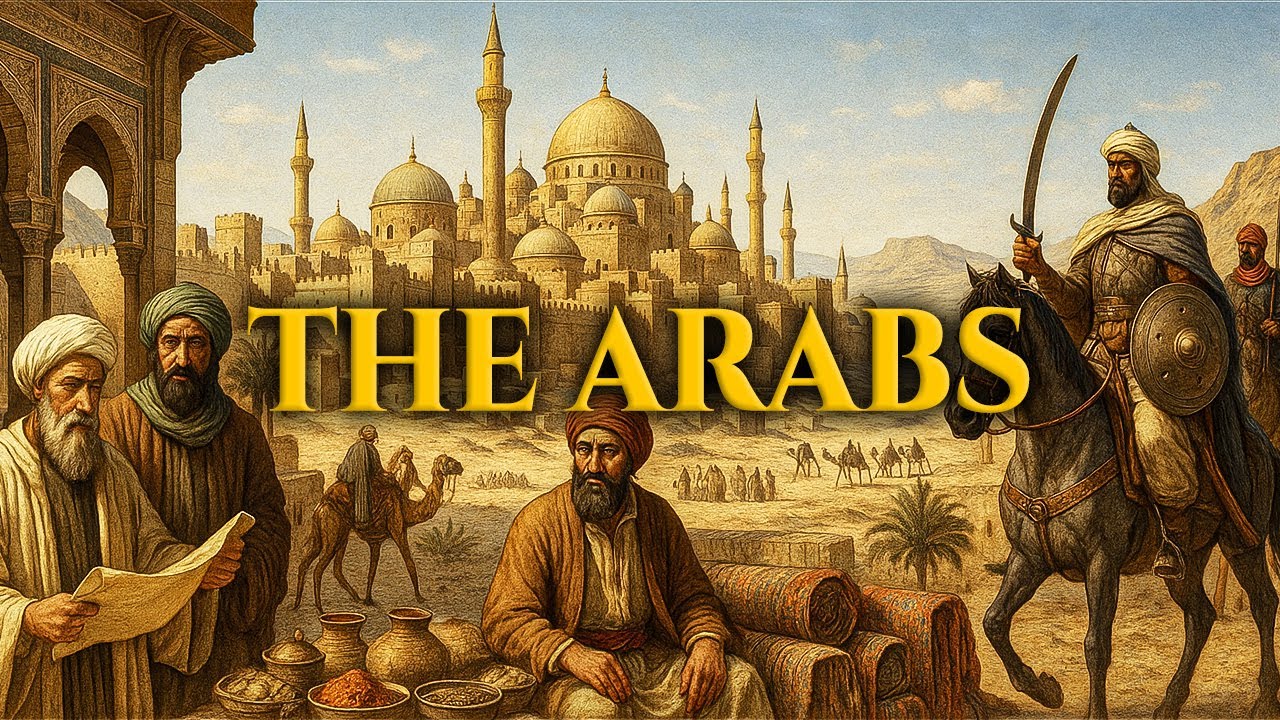
Welcome back, and thank you for joining us tonight. If you’re here for history for sleep, history to fall asleep to, or simply a soothing sleep documentary to help you unwind, you’ve come to the right place. Tonight, we’ll be exploring the story of the Arabs, a people whose history spans deserts, empires, and centuries of culture, faith, and discovery.
The story of the Arabs begins in the vast landscapes of the Arabian Peninsula, where tribes lived by herding, trade, and tradition. Their poetry, language, and oral heritage flourished long before the rise of great kingdoms. In the seventh century, the message of Islam transformed Arabia and united its tribes under a shared faith and purpose. From the cities of Mecca and Medina, their influence spread outward, carrying language, religion, and knowledge across continents.
Through the Rashidun, Umayyad, and Abbasid caliphates, the Arab world became the center of learning and civilization. Cities like Damascus, Baghdad, and Córdoba shone with scholarship, art, and science. Arab astronomers charted the stars, physicians studied the body, and philosophers explored reason and faith. Trade routes connected the Mediterranean to India and Africa, while architecture and literature reflected the beauty of a world in harmony with faith and intellect.
Over time, the Arab world changed with the rise of new powers and dynasties. The Mongols, Crusaders, and Ottomans left their marks, yet the spirit of Arab culture endured. In the modern era, Arab societies navigated colonialism, independence, and transformation, preserving a shared identity shaped by history, language, and belief.
In this history documentary, we’ll gently follow the origins, expansion, and legacy of the Arabs—their lands, their empires, and their contributions to world civilization. This is history for sleep, history to fall asleep to, and a calming history to fall asleep journey through the story of a people whose influence continues to shape our world.
So settle in, let the story of the Arabs unfold softly, and allow the sands, cities, and voices of their long history to guide you peacefully into rest. Sweet dreams, and good night.
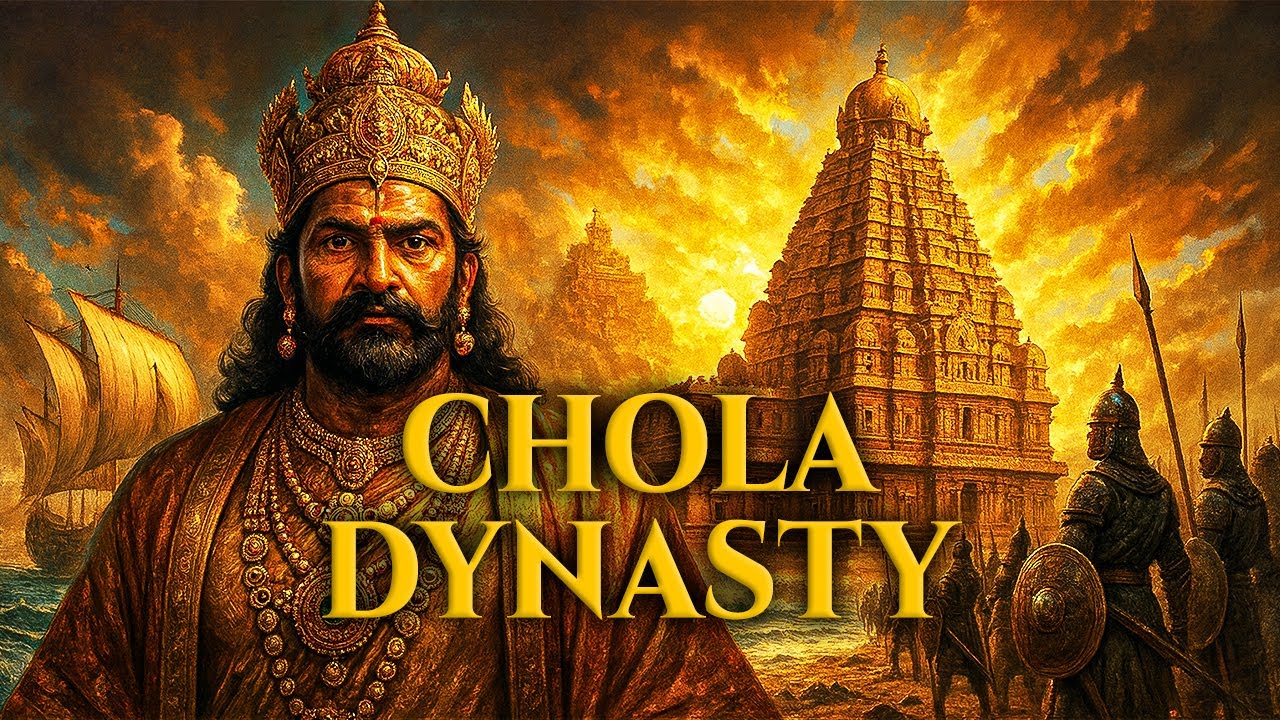
Welcome back, and thank you for being here tonight. If you’re looking for history for sleep, history to fall asleep to, or simply a soothing sleep documentary to help you drift off, you’ve come to the right place. Tonight, we’ll journey into the history of the Chola Dynasty, one of the greatest and longest-ruling dynasties in the history of southern India.
The Cholas trace their beginnings back to ancient Tamil lands, but it was during the medieval period that their power truly rose. From the 9th to the 13th centuries, they expanded their influence across South India, Sri Lanka, and even into Southeast Asia. With their naval strength, the Cholas became a maritime power, spreading trade, culture, and religion across the Indian Ocean.
Under rulers such as Raja Raja Chola and Rajendra Chola, the dynasty reached its golden age. They built monumental temples, promoted art and literature, and established an administration so well-organized that its influence would last long after their decline. Their architectural wonders, especially the great Brihadeeswarar Temple, still stand today as symbols of their legacy.
In time, however, challenges arose. Rival kingdoms, invasions, and internal struggles slowly weakened the Cholas, until their dynasty eventually gave way to new powers. Yet their cultural and architectural achievements ensured that their memory would endure through the centuries.
In this history documentary, we’ll gently follow the rise, reign, and decline of the Chola Dynasty—their rulers, their achievements, and their enduring legacy. This is history for sleep, history to fall asleep to, and a calming history to fall asleep journey through one of India’s greatest dynasties.
So settle in, let the story of the Cholas unfold softly, and allow their temples, kingdoms, and ocean journeys to guide you into rest. Sweet dreams, and good night.
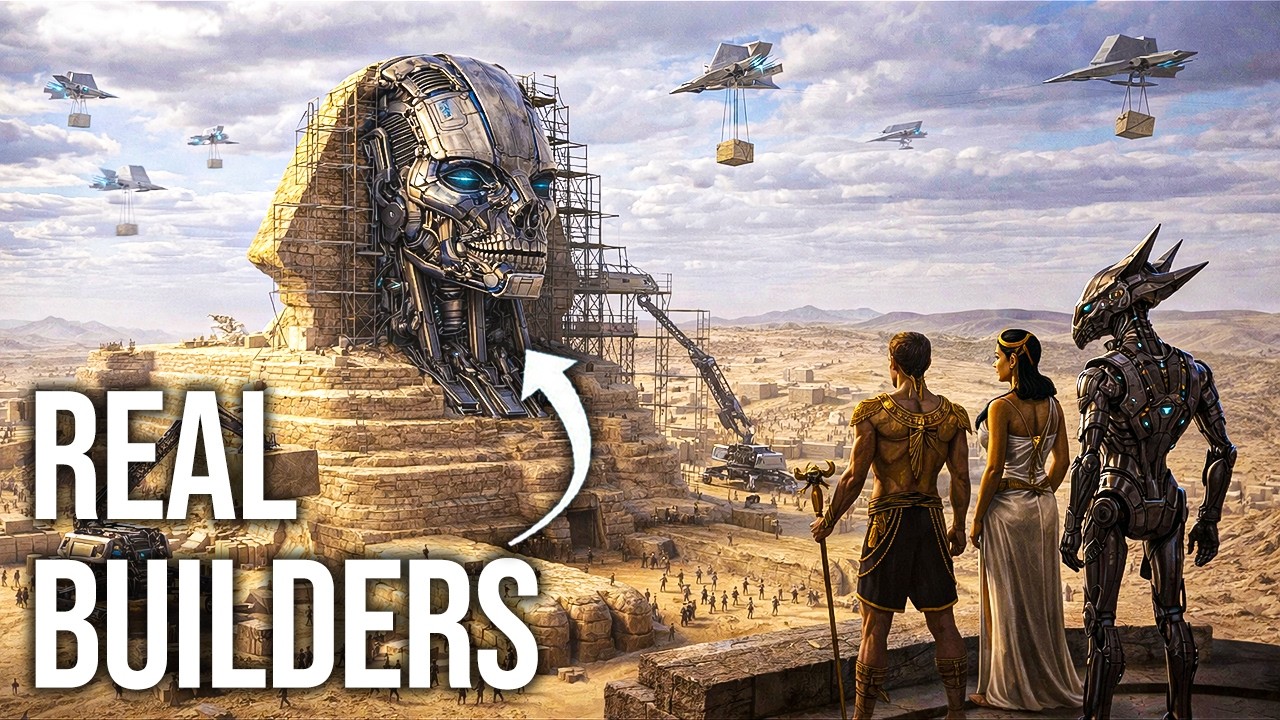
The Sphinx sits in silence, yet its silence feels deliberate. No inscription beside it clearly names its builder. No definitive record celebrates its construction. Tonight’s story follows that absence—the lost evidence surrounding who truly built the Sphinx.
Ancient Egyptian rulers documented their achievements with care, carving their names into stone wherever possible. Yet when it comes to the Sphinx, we find restoration accounts instead of creation claims. Later pharaohs describe clearing sand from around it, repairing damage, honoring something already ancient. The monument seems inherited rather than commissioned.
Geology complicates the story further. The erosion patterns along the body suggest prolonged exposure to heavy rainfall—conditions that belong to a much older climate than dynastic Egypt. The proportions of the head and body feel mismatched, as if modification occurred long after the original carving. Each detail raises questions the official timeline struggles to answer.
If the Sphinx predates the civilization that surrounded it, then it belongs to a forgotten chapter of human history. Its builders may have left no written trace—or their records may have vanished in a reset that erased more than just cities. What remains is stone, weathered but persistent, carrying clues without explanation.
This history documentary gently explores the lost evidence behind the Sphinx—the geological hints, the historical silence, and the possibility that its true builders lived in an age no longer remembered. This is history for sleep, history to fall asleep to, and a calming history to fall asleep journey into ancient mystery, buried timelines, and a monument that refuses to reveal its origin.
Let the quiet gaze of the Sphinx soften into the night, and allow the mystery of its true creators to guide you peacefully into rest. Sweet dreams, and good night.
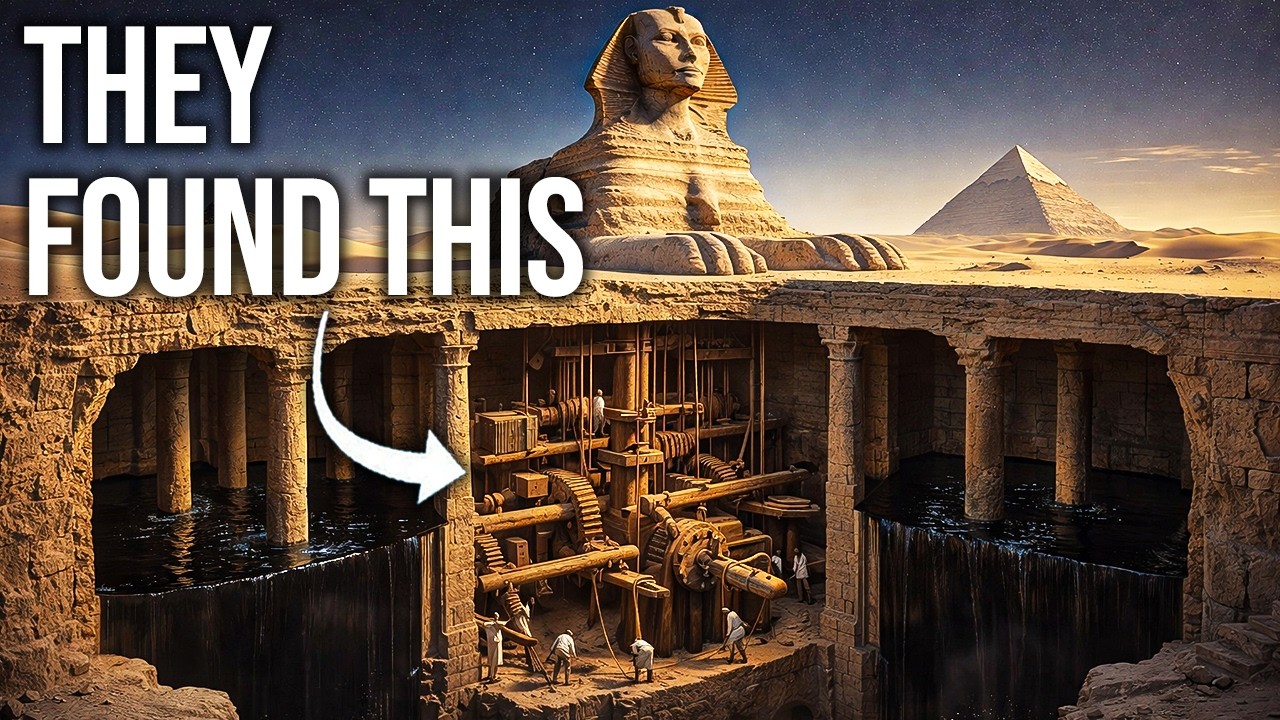
Beneath the silent gaze of the Sphinx lies a mystery that has intrigued explorers, archaeologists, and historians for centuries. Tonight, we uncover the hidden chambers beneath this ancient monument—spaces that have been the subject of speculation, yet remain largely unexplored. What was found, and what secrets do these chambers hold?
The Sphinx, standing watch over the Giza Plateau, is not just a symbol of ancient Egypt, but a key to a deeper mystery. Stories have circulated for years about hidden passages, chambers sealed away from time, and treasures waiting to be uncovered. Yet despite modern technology and decades of excavation, the true contents of these chambers remain elusive.
What if the chambers beneath the Sphinx hold not only physical artifacts but also knowledge? Some suggest these hidden spaces could contain records, wisdom, or even relics from civilizations long forgotten—memories that Egypt’s rulers may have sought to protect. The idea that something important lies beneath this monument, untouched for millennia, raises more questions than answers.
This history documentary gently explores the hidden chambers beneath the Sphinx, the clues that have surfaced, and the tantalizing possibilities that still remain. What might be concealed in the earth beneath the stone? What was found, and what has yet to be revealed?
Let the quiet mysteries of the Sphinx settle into the night, and allow the story of its hidden chambers to guide you peacefully into rest. Sweet dreams, and good night.

Welcome back, and thank you for being here tonight. If you’re looking for history for sleep, history to fall asleep to, or a gentle sleep documentary to guide you into rest, you’re in the right place. Tonight, we’ll travel into the history of the Moors, a people whose story spans centuries of culture, conquest, and legacy.
The Moors were Muslim inhabitants of North Africa and the Iberian Peninsula, whose arrival in Spain in the early 8th century transformed the region. Crossing from Morocco into Iberia, they established Al-Andalus, a land where new sciences, philosophy, and architecture flourished. Their cities, such as Córdoba, Granada, and Seville, became centers of learning, trade, and culture at a time when much of Europe was still in the early Middle Ages.
For centuries, the Moors lived in a world of shifting alliances, kingdoms, and cultural exchange. Their contributions to mathematics, astronomy, medicine, and art left an imprint that shaped Europe long after their decline. Yet their history was also marked by wars, the Reconquista, and eventual expulsion, leaving behind monuments like the Alhambra and countless echoes of their influence.
In this history documentary, we’ll gently trace the rise, presence, and legacy of the Moors—their kingdoms, their culture, and their lasting impact on the history of Europe and beyond. This is history for sleep, history to fall asleep to, and a calming history to fall asleep story of one of the most fascinating civilizations to bridge continents and cultures.
So settle in, let the story of the Moors unfold softly, and allow their journey through history to carry you into rest. Sweet dreams, and good night.
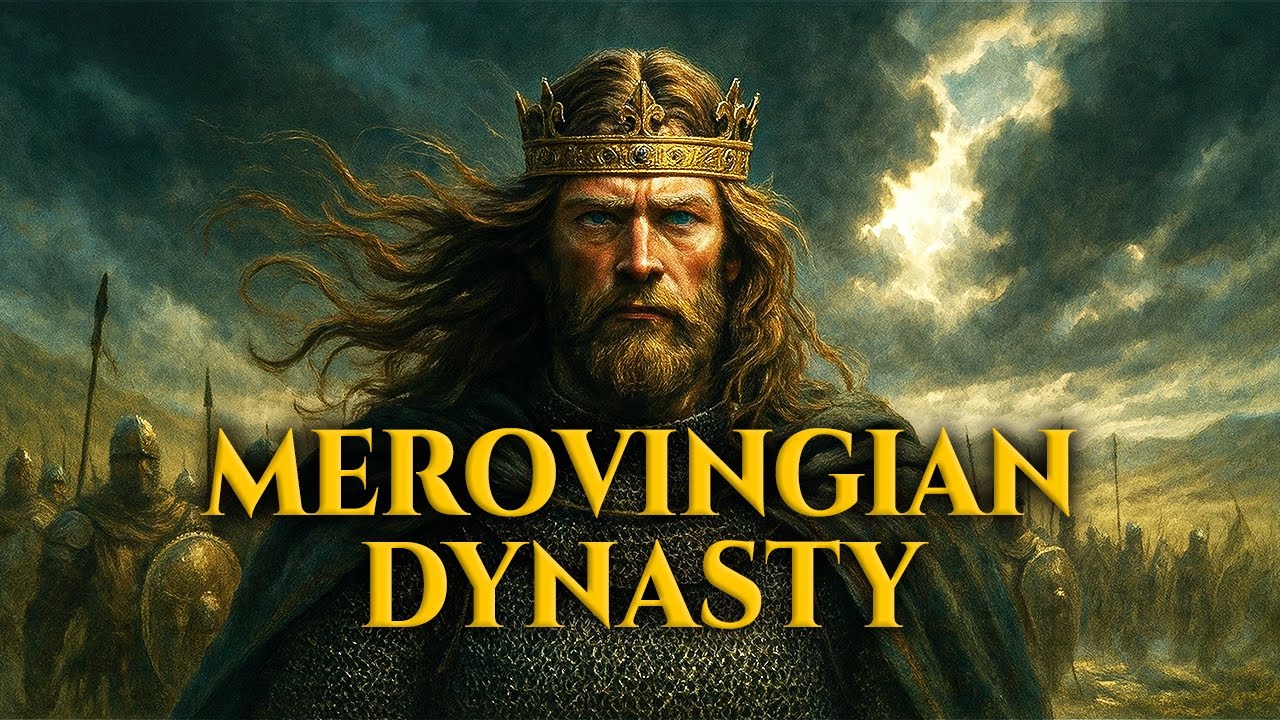
Welcome back, and thank you for joining us for another long journey through the past. Tonight, we’ll be exploring the entire history of the Merovingian Dynasty in a calm and steady way—perfect if you’re here for history for sleep, history to fall asleep to, or simply to relax with a sleep documentary that guides you into the night.
The Merovingian Dynasty shaped the destiny of early medieval Europe, rising from the chaos of the collapsing Roman world to become the first great ruling house of the Franks. From the legendary figure of Merovech to the reign of Clovis I, who united the Frankish tribes and converted to Christianity, the Merovingians carved out a kingdom that would lay the foundations for modern France and Germany.
Their dynasty was marked by powerful kings, ruthless struggles, and the gradual decline of royal authority as real power slipped into the hands of the mayors of the palace. Eventually, the Merovingians faded into obscurity, giving way to the Carolingians and Charlemagne, who would go on to reshape Europe.
In this history documentary, we trace the rise and fall of the Merovingians—their wars, alliances, and legacy. This is history for sleep, history to fall asleep to, and a soothing history to fall asleep journey through time.
So settle in, let your mind wander through the ages, and allow the story of the Merovingians to carry you into the calm of the night. Sweet dreams, and good night.
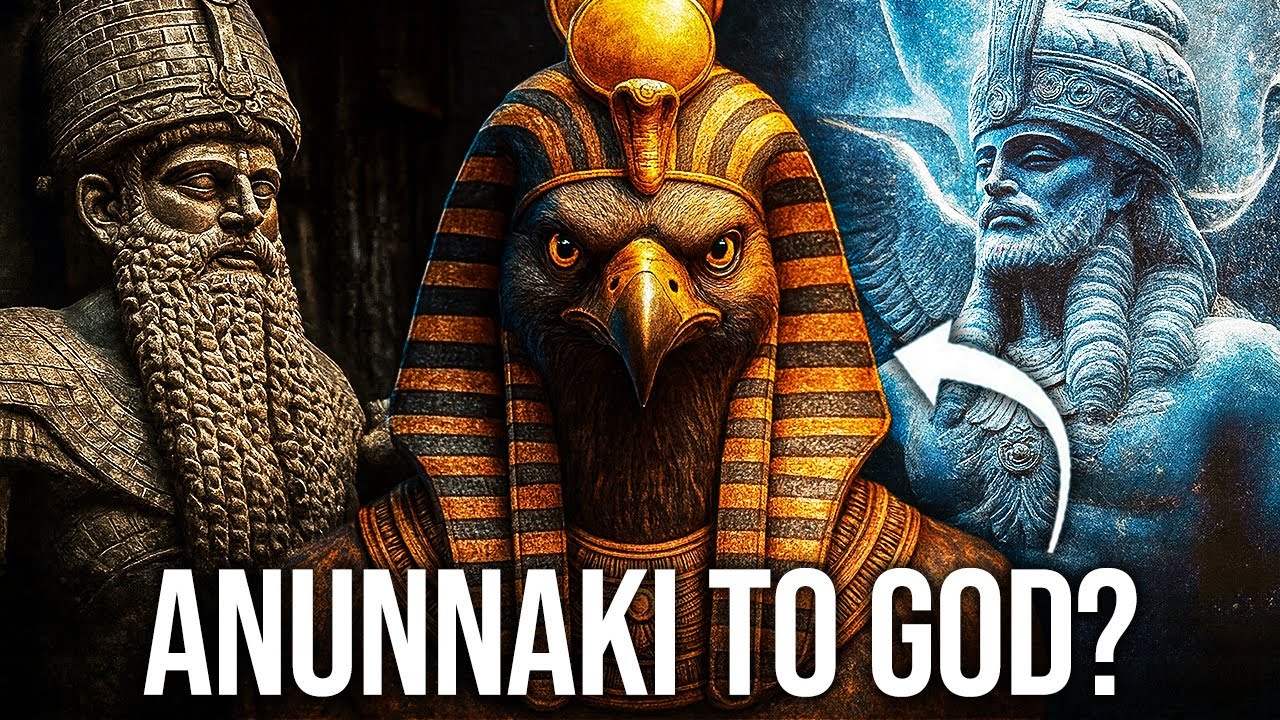
Welcome back, and thank you for joining us tonight. If you’re here for history for sleep, history to fall asleep to, or simply a gentle sleep documentary to ease your mind into rest, you’re in the right place. Tonight, we’ll journey into the silent sands of ancient Egypt—and even further back, into the forgotten world of Sumer—to explore a question that bridges myth, memory, and the origins of civilization: what if the Egyptian gods were descendants of the Anunnaki?
Across the temples of Egypt, carved into stone and painted in vivid colors, we find a pantheon of powerful deities—Ra, Osiris, Isis, Horus, Thoth—beings of sky and earth, creation and rebirth. Their stories speak of divine rulers who walked among humans, taught kings, raised monuments, and shaped the destiny of the Nile. Yet long before Egypt rose from the desert, the Sumerians told remarkably similar stories of the Anunnaki—gods who descended from the heavens, founded cities, and guided humanity through ages of flood and renewal.
Some researchers have long wondered whether these two ancient worlds are more connected than we imagine. The feathered crowns, the winged symbols, the celestial boats, the sacred animals, the divine families—they echo each other across continents and millennia. Could Egypt’s gods be the distant heirs of the Anunnaki, their roles transformed but their essence preserved as civilizations rose and fell? Or did survivors of a forgotten epoch carry the stories from Mesopotamia to the Nile, weaving old memories into new myths as Egypt awakened?
In this history documentary, we’ll gently explore that possibility—the parallels between gods and symbols, the shared stories of sky beings and divine kings, and the enduring mystery of whether the Egyptian pantheon was part of a much older legacy. This is history for sleep, history to fall asleep to, and a calming history to fall asleep journey through the twilight between myth and memory, where the gods of two great civilizations may share a single ancient origin.
So settle in, let the golden light of the Nile drift softly through your imagination, and allow the story of the Anunnaki and the Egyptian gods to guide you peacefully into rest. Sweet dreams, and good night.

Welcome back, and thank you for being here tonight. If you’re searching for history for sleep, history to fall asleep to, or simply a gentle sleep documentary to carry you into rest, you’ve come to the right place. Tonight, we’ll be exploring the long and fascinating history of the Slavs, one of the largest and most influential groups in Europe.
The Slavs trace their origins to the forests and plains of Eastern Europe, where early communities began to take shape in the first centuries of the common era. Over time, they expanded in every direction—north into the Baltic, east toward the rivers of Russia, south into the Balkans, and west into Central Europe. Their migrations and settlements reshaped the map of the continent.
As kingdoms and principalities emerged, the Slavs encountered and interacted with Byzantines, Germans, and steppe peoples, adopting new faiths and traditions while maintaining a strong sense of identity. The Christianization of the Slavs, the rise of states like Kievan Rus, and the eventual formation of nations such as Poland, Serbia, and Russia all trace their roots to these early centuries of growth and transformation.
In this history documentary, we’ll gently follow the origins, expansion, and legacy of the Slavs—their migrations, their cultures, and their enduring influence on Europe and the wider world. This is history for sleep, history to fall asleep to, and a calming history to fall asleep journey through the story of a people who shaped half a continent.
So relax, let the story of the Slavs unfold softly, and allow their journey through forests, rivers, and centuries of history to guide you into peaceful rest. Sweet dreams, and good night.
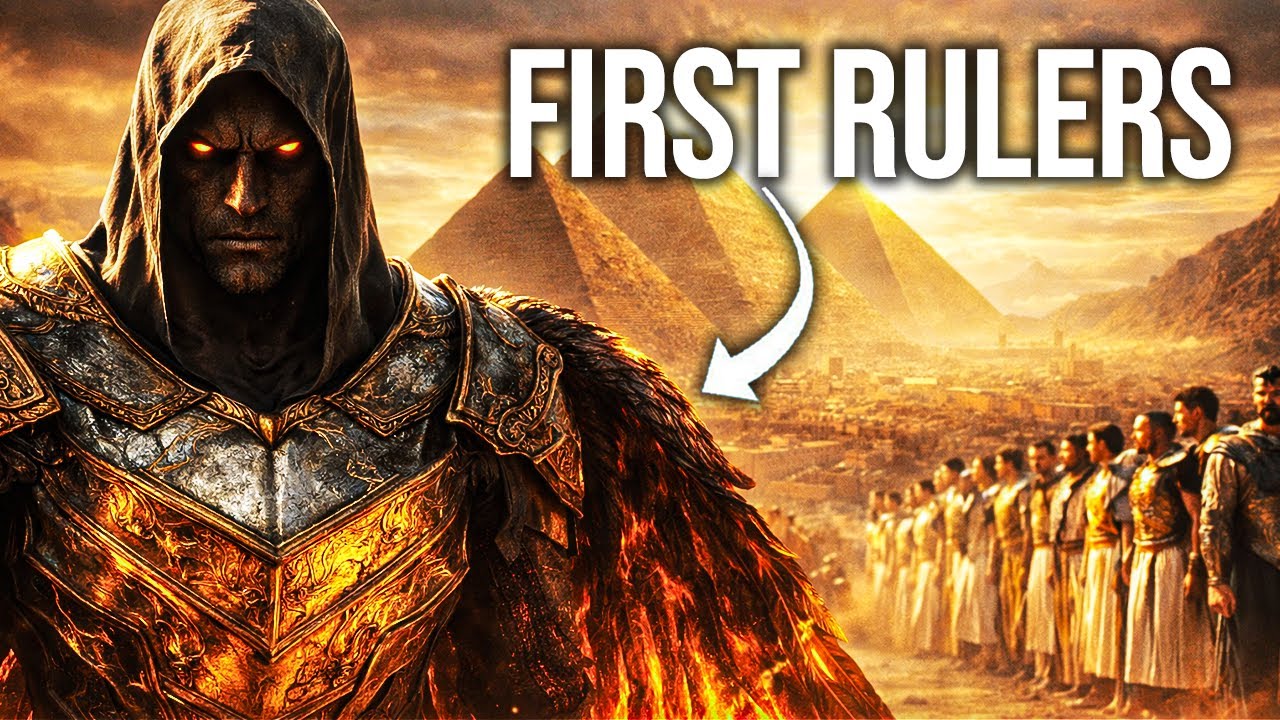
Long before Egypt raised its first temples, another order is quietly remembered in the oldest records of Mesopotamia. The Sumerian texts speak not of pharaohs or dynasties, but of Watchers—beings placed to oversee, measure, and govern a world still taking shape. Their presence belongs to an age that predates familiar civilization.
These Watchers are not described as distant gods, but as authorities embedded within the world. They observe. They instruct. They regulate boundaries between heaven and Earth. Unlike later deities, they do not demand worship. Their role is functional, almost administrative, suggesting governance rather than mythic spectacle.
Fragments of these figures appear across cultures—angels, guardians, watchers of the sky—yet the Sumerian records treat them with unusual restraint. There is no creation story centered on them, only quiet acknowledgment of their rule and an equally quiet end to their presence. Something changes. Oversight gives way to absence.
After they fade from the record, a different kind of civilization emerges. Kings replace overseers. Temples replace observation. Power becomes localized, human, and symbolic. Egypt rises into history not as a beginning, but as what comes after a far older system has already withdrawn.
This history documentary gently explores who the Watchers may have been, why they ruled before recorded civilization, and why their memory survives only in fragments. This is history for sleep, history to fall asleep to, and a calming history to fall asleep journey into forgotten guardians, pre-civilized order, and the silent transition from watchers to kings.
Let the stillness of an age before monuments drift softly into the night, and allow the memory of those who ruled without thrones to guide you peacefully into rest. Sweet dreams, and good night.
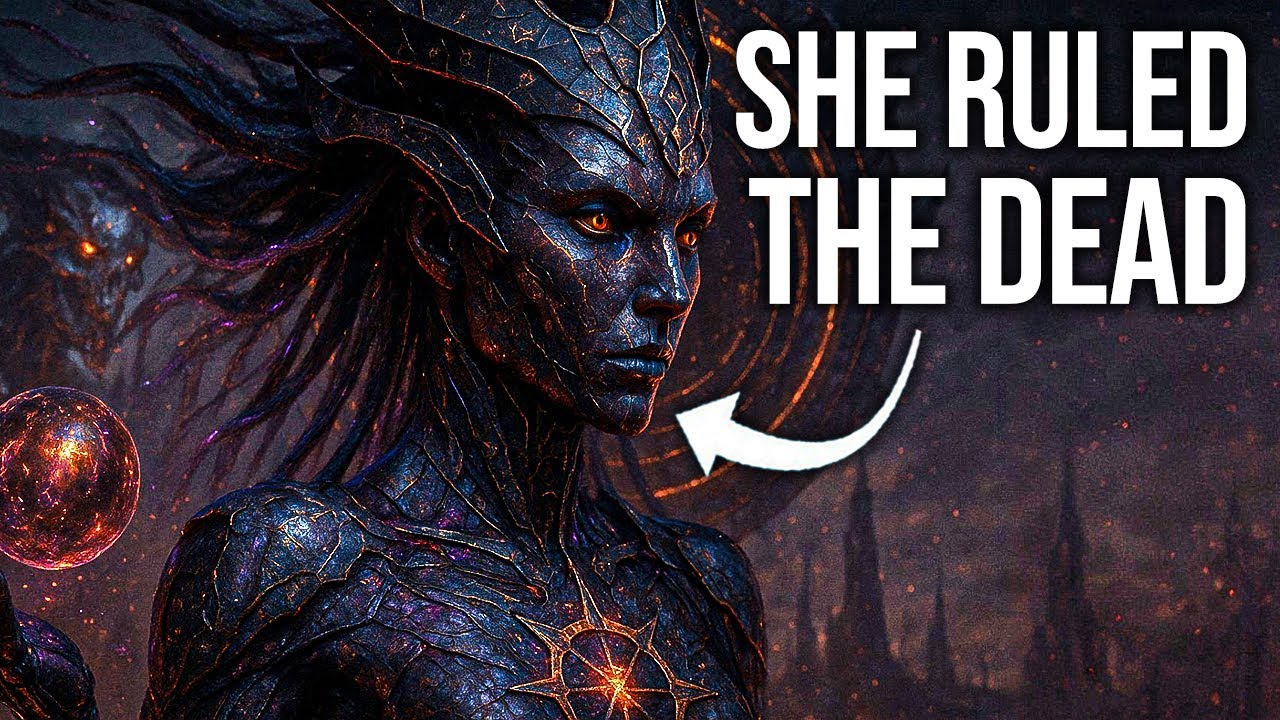
Welcome back, and thank you for joining us tonight. If you’re here for history for sleep, history to fall asleep to, or simply a gentle sleep documentary to help your mind settle into stillness, you’re in the right place. Tonight, we’ll descend into one of the most ancient and haunting realms of Mesopotamian myth to rediscover Ereshkigal—the forgotten Anunnaki goddess who ruled the dead, the silent queen of the underworld whose story shaped the earliest visions of life after death.
In the oldest Sumerian tablets, Ereshkigal reigns over Irkalla, the land beneath the earth—a realm of shadows, dust, and quiet eternity. While the gods of the sky shaped human civilization with sun, storms, and stars, Ereshkigal ruled what lay beyond life, holding dominion over every soul that descended into her kingdom. She was not feared out of malice, but respected out of inevitability. In her world, all beings—kings, farmers, priests, and even gods—were equal. She was the final judge, the final presence, the final truth.
Though rarely worshipped on the surface, her influence reached far beyond the underworld. Myths tell of her encounters with the living gods—her fateful union with Nergal, the storm-bringer who became her consort; her confrontation with Inanna, who dared to descend into her realm; and her role in maintaining the balance between life, death, and cosmic order. Without Ereshkigal, the cycle of existence itself would collapse. She stood as the boundary between worlds, quietly ensuring that life continued above only because death was held in place below.
Yet over time, her name faded. Later cultures knew her only through fragments—an echo of a queen who once ruled with absolute authority. But the tablets preserve her still, reminding us that the ancient world understood death not as punishment, but as a kingdom, and its ruler as a goddess who bore the weight of eternity with somber grace.
In this history documentary, we’ll gently explore the story of Ereshkigal—the myths that shaped her, the tablets that captured her power, and the ancient belief that the underworld was not a place of fear, but of quiet order ruled by a forgotten queen. This is history for sleep, history to fall asleep to, and a calming history to fall asleep journey through the shadows and silence of Mesopotamia’s deepest mythic realm.
So settle in, let the hush of the ancient underworld drift softly through your imagination, and allow the story of Ereshkigal—the quiet goddess of the dead—to guide you peacefully into rest. Sweet dreams, and good night.
