Top videos

The story of Tutankhamun is more than just that of a boy who became king; it’s a tale of power, mystery, and a life cut short. Tonight, we journey through the entire story of Egypt’s famous boy king, whose reign, though brief, would become one of the most iconic in history.
Born into a time of turmoil, Tutankhamun ascended the throne at a young age, inheriting a kingdom that was struggling to find its way. His life, though marked by youth and innocence, was shaped by the legacy of his ancestors and the powerful advisors around him. As a ruler, he sought to restore the old gods and bring balance back to Egypt after the chaos of his predecessor’s reign.
Despite his early death, the legend of Tutankhamun endured, especially after his tomb was discovered, undisturbed by time. Inside, treasures and artifacts revealed a glimpse of a world long gone, raising questions about his life, his death, and the true story of Egypt’s last great pharaoh of the 18th dynasty.
In this history documentary, we’ll gently uncover the entire story of Tutankhamun—his rise to power, his reign, and the mystery that surrounded his untimely passing. This is history for sleep, history to fall asleep to, and a calming history to fall asleep journey into the life of the boy king whose tomb became a time capsule of ancient Egypt’s splendor.
Let the story of Tutankhamun unfold softly, and allow his journey to guide you peacefully into rest. Sweet dreams, and good night.
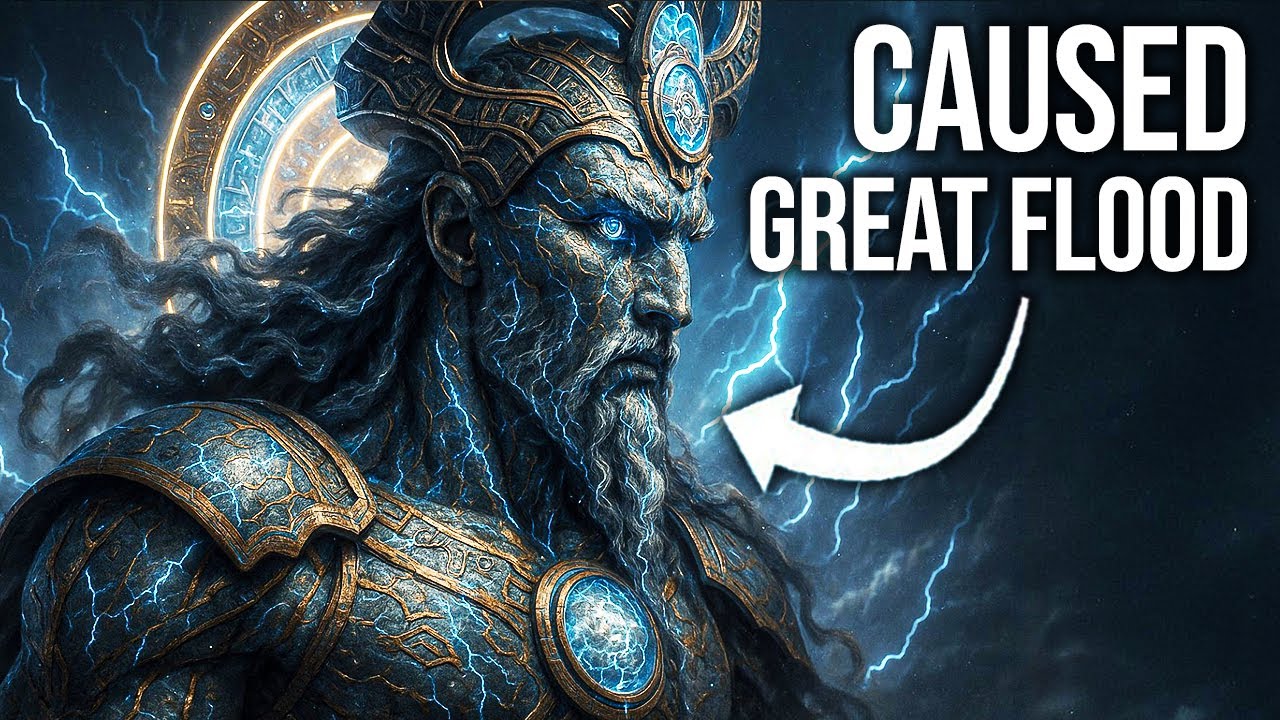
Welcome back, and thank you for joining us tonight. If you’re here for history for sleep, history to fall asleep to, or simply a gentle sleep documentary to help your thoughts drift away, you’re in the right place. Tonight, we’ll travel into the storm-filled heavens of ancient Mesopotamia, to uncover the forgotten story of Ishkur—the Anunnaki god of thunder and rain, whose wrath, according to legend, unleashed the Great Flood that nearly erased mankind.
In the oldest Sumerian tablets, Ishkur is the bringer of life and destruction. To the farmers of the plains, his storms meant renewal—the waters that nourished their crops and filled their rivers. But he was also a god of tempests, a divine force of uncontrollable power who answered to no mortal will. As the son of Anu and the brother of Enlil, Ishkur carried the authority of the heavens, commanding lightning, wind, and rain. Yet one day, when the balance of the world was broken and the sins of humanity angered the gods, Ishkur’s storms grew wild. The skies opened, the rivers rose, and the Great Flood began.
Ancient texts describe that flood as both punishment and cleansing—a moment when the Anunnaki sought to remake the Earth. Cities vanished beneath the waters, the temples of kings fell silent, and only a handful of humans survived by the mercy of one god who defied the decree to destroy them. Was the flood a myth, a moral tale, or a memory of a real cataclysm that reshaped early civilization? Beneath the myth of Ishkur lies a story that reaches beyond faith—into geology, astronomy, and the cycles of destruction and rebirth written into the planet itself.
In this history documentary, we’ll gently explore the legend of Ishkur—the god of storms, the role he played in the Flood, and the echoes of his name in the myths that came after. This is history for sleep, history to fall asleep to, and a calming history to fall asleep journey through thunder, water, and the quiet after the storm.
So settle in, let the sound of distant rain fill your imagination, and allow the story of Ishkur—the god who broke the sky—to guide you softly into peaceful rest. Sweet dreams, and good night.

Welcome back, and thank you for joining us tonight. If you’re here for history for sleep, history to fall asleep to, or simply a soothing sleep documentary to ease you into rest, you’ve come to the right place. Tonight, we’ll be exploring the story of the Cherokee, one of the most well-known and enduring Native American peoples.
The Cherokee trace their origins deep into the woodlands and mountains of the southeastern United States, where they developed a rich culture, traditions, and governance that lasted for centuries. Living in towns connected by rivers and trade, the Cherokee established systems of leadership, agriculture, and spirituality that defined their way of life long before European contact.
With the arrival of Europeans, their world changed dramatically. The Cherokee navigated diplomacy, alliances, and conflict, adapting to new challenges while striving to preserve their identity. By the 19th century, they had created a written language, a constitution, and a government modeled after the United States. Yet tragedy struck with forced removal, as thousands were displaced on the Trail of Tears, a journey of suffering that left a lasting scar in history.
Despite these hardships, the Cherokee endured. Their culture, language, and traditions survive today, carried forward with pride and resilience. Their story is one of adaptation, struggle, and an unbroken connection to their heritage.
In this history documentary, we’ll gently follow the origins, trials, and endurance of the Cherokee—their culture, their leaders, and their lasting legacy. This is history for sleep, history to fall asleep to, and a calming history to fall asleep journey through one of the most enduring peoples of North America.
So settle in, let the story of the Cherokee unfold softly, and allow their journey through forests, rivers, and history to carry you peacefully into rest. Sweet dreams, and good night.
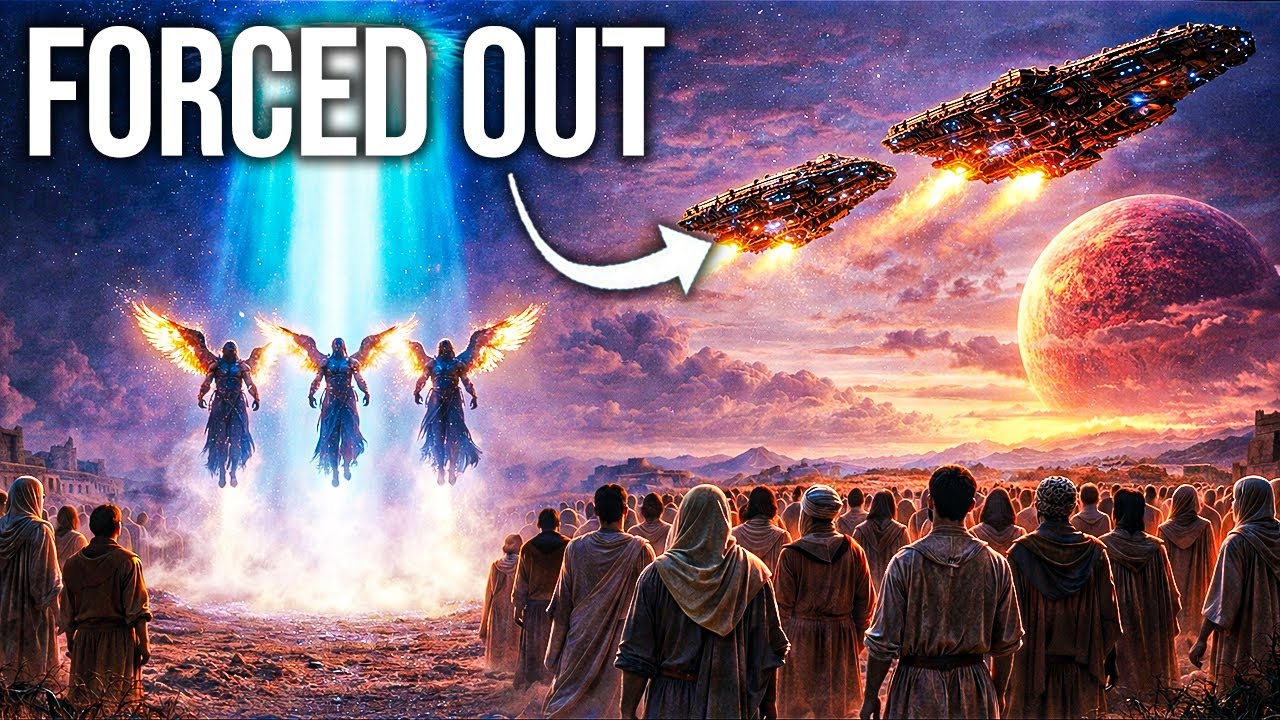
Something ended the age of the Anunnaki—but the oldest records never say it was humanity. Instead, the Sumerian texts hint at pressure coming from beyond the world the gods tried to control. Tonight’s story moves quietly into that possibility: that the Anunnaki did not leave by choice, but were forced to withdraw by something stronger.
The tablets describe a sudden shift in tone. Authority weakens. Decisions become reactive. The gods argue less about rule and more about survival. References appear to boundaries, limits, and forces that cannot be opposed directly. The language feels cautious, as if scribes were recording events they did not fully understand—or were not permitted to explain.
Some passages speak of powers without names, of judgments that come without councils, of cosmic order overriding divine will. Unlike wars or rebellions, this pressure leaves no heroes and no victories. The Anunnaki do not fight it. They adapt, retreat, and reorganize, suggesting confrontation was never an option.
If something more powerful intervened, Earth may have become unsafe for continued presence. The gradual withdrawal of the gods then reads not as abandonment, but as necessity. Silence follows not because the story ended, but because it could not be continued openly.
This history documentary gently explores the possibility that the Anunnaki were forced out—not by those below them, but by something above them. This is history for sleep, history to fall asleep to, and a calming history to fall asleep journey into unseen hierarchies, quiet dominance, and the unsettling idea that even gods can be displaced.
Let the vast stillness of deeper power settle into the night, and allow the question of what forced the gods to leave to guide you peacefully into rest. Sweet dreams, and good night.

Across the ancient cities of Mesopotamia, a strange creature appears again and again in carved stone and colored brick. It walks with the body of a serpent, the claws of a lion, and the horns of a divine beast. This is the Mushkhushshu—the dragon of the Anunnaki world, a creature that stood beside gods and guarded the power of empires. Tonight, we follow its entire story from myth to monument.
The Mushkhushshu first emerges in the traditions of early Mesopotamian religion, where it is closely associated with powerful deities such as Marduk and earlier gods before him. Unlike chaotic monsters found in many myths, this dragon is not an enemy of order. It represents authority, a symbol of divine control over forces that once threatened the world. When it appears beside a god, it signals power that has already been mastered.
Its most famous appearance stands in the ruins of Babylon. Along the brilliant blue walls of the Ishtar Gate, rows of Mushkhushshu dragons stride forward in silent procession. Their bodies stretch long and scaled, their tongues extended, their claws gripping the earth. These images were not decoration alone. They announced to anyone entering the city that the protection of the gods stood at its gates.
Over centuries, the dragon’s meaning evolved. What once symbolized divine rule later became legend, its shape echoing through later dragon stories across different cultures. Yet the Mesopotamian version remained unique—less a beast of destruction and more a guardian of cosmic authority.
This history documentary gently explores the entire story of the Mushkhushshu—the dragon of the Anunnaki world, its origins in ancient myth, and its enduring presence in the art and symbolism of Mesopotamia. This is history for sleep, history to fall asleep to, and a calming history to fall asleep journey into ancient dragons, divine power, and the quiet guardians that once stood beside the gods.
Let the silent procession of the Mushkhushshu drift softly into the night, and allow the story of this ancient dragon to guide you peacefully into rest. Sweet dreams, and good night.

Life on Earth was not effortless for the Anunnaki. The oldest Sumerian texts suggest that certain conditions of this world created strain rather than harmony, revealing limits even divine beings could not ignore. Their time on Earth was shaped as much by discomfort as by authority.
The tablets speak quietly of irritation and fatigue—of noise that grew overwhelming, labor that became unbearable, and environments that resisted control. Climate, atmosphere, and the unpredictability of human behavior appear again and again as sources of tension. Earth was workable, but never ideal.
As these pressures mounted, systems were imposed to maintain order. Boundaries tightened. Presence became regulated. What began as coexistence gradually shifted toward distance, as tolerance gave way to management. The gods did not rage or collapse; they adjusted, constrained, and eventually withdrew.
This history documentary gently explores what the Anunnaki could not endure—the conditions, behaviors, and limits that reshaped their presence on Earth. This is history for sleep, history to fall asleep to, and a calming history to fall asleep journey into strain, restraint, and the quiet reasons even gods chose to step back.
Let the hush of ancient frustration fade into the night, and allow the story of what could not be tolerated to carry you peacefully into rest. Sweet dreams, and good night.

Welcome back, and thank you for joining us tonight. If you’re here for history for sleep, history to fall asleep to, or simply a soothing sleep documentary to help you unwind, you’re in the right place. Tonight, we’ll be exploring the story of the Incas, the builders of one of the greatest empires in the Americas.
The Inca Empire rose high in the Andes Mountains, uniting diverse peoples across a vast territory that stretched from modern-day Colombia down to Chile. Centered in the city of Cusco, the Incas created a sophisticated network of roads, terraces, and cities, with engineering achievements that remain breathtaking to this day. Their society was organized around community, religion, and the power of the Sapa Inca, the emperor seen as a descendant of the sun.
Through conquest, diplomacy, and administration, the Incas expanded their rule across mountains, deserts, and valleys. They left behind wonders such as Machu Picchu, intricate stonework, and a legacy of innovation in agriculture and governance. Yet their empire, powerful as it was, fell swiftly to Spanish conquest in the 16th century, marking the end of their independent rule but not the end of their enduring culture.
In this history documentary, we’ll gently follow the rise, reign, and fall of the Incas—their rulers, their achievements, and the legacy they left in the heart of South America. This is history for sleep, history to fall asleep to, and a calming history to fall asleep journey into the world of a mountain empire unlike any other.
So settle in, let the story of the Incas unfold softly, and allow the echoes of their temples and terraces to guide you into peaceful rest. Sweet dreams, and good night.

Welcome back, and thank you for joining us tonight. If you’re here for history for sleep, history to fall asleep to, or simply a gentle sleep documentary to carry you into rest, you’re in the right place. Tonight, we’ll be exploring the story of the Ninjas, the shadowy figures of Japanese history whose legend has traveled far beyond their homeland.
The origins of the Ninja trace back to medieval Japan, in times of constant warfare and shifting power. Born from the need for survival, espionage, and unconventional tactics, the Ninjas became skilled in stealth, disguise, and intelligence gathering. They were not warriors in shining armor, but rather silent operatives who thrived in secrecy, using knowledge of terrain, strategy, and psychology to accomplish their missions.
For centuries, they served in the shadows, working for lords, clans, and causes, while cultivating traditions that blended martial skill with philosophy and discipline. Their training, often passed through families and schools, encompassed weapons, unarmed combat, and the art of blending into both nature and society. Legends of invisibility, magic, and superhuman ability later grew around them, blurring the line between fact and myth.
Though their role declined as Japan moved toward peace and unification, the image of the Ninja endured, woven into folklore, theater, and eventually the imagination of the world. Today, they remain symbols of mystery, discipline, and the unseen threads of history.
In this history documentary, we’ll gently follow the origins, practices, and legacy of the Ninjas—their rise, their role in Japan’s turbulent past, and the legends that grew from their secrecy. This is history for sleep, history to fall asleep to, and a calming history to fall asleep journey into the world of shadows and silence.
So settle in, let the story of the Ninjas unfold softly, and allow their quiet footsteps through history to guide you peacefully into rest. Sweet dreams, and good night.
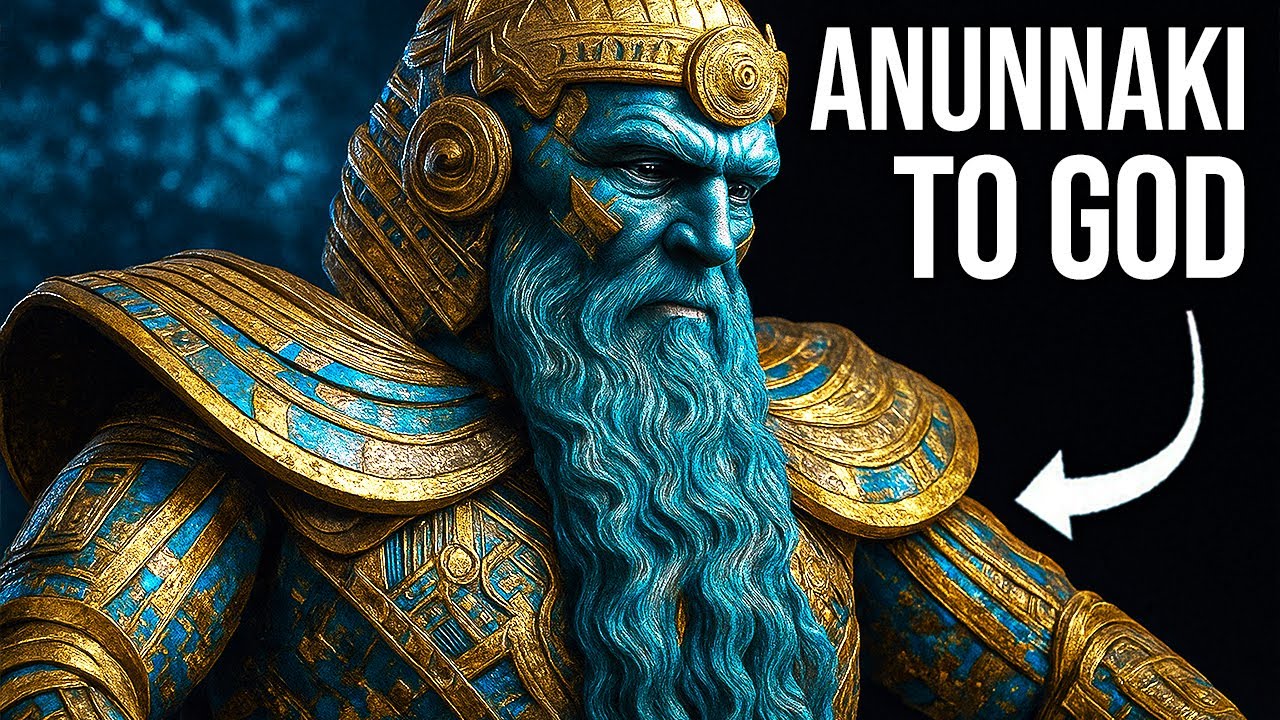
Welcome back, and thank you for joining us tonight. If you’re here for history for sleep, history to fall asleep to, or simply a soothing sleep documentary to help you unwind, you’re in the right place. Tonight, we’ll travel through one of the most profound transformations in all of ancient history—the story of Yahweh, the god who began as a figure among many in the ancient Near East, and who became the singular, eternal God of the Bible.
Long before the rise of Israel, the lands of Mesopotamia and Canaan were filled with names of powerful sky gods—Anu, Enlil, El, and Baal—beings who governed the winds, the stars, and the destinies of men. Among these ancient deities, some scholars find echoes of an even older memory, one that reaches back to the Anunnaki of Sumer—the divine council said to have ruled before the Flood. In this tangled web of myth and faith, Yahweh emerges not as an isolated figure, but as part of a lineage of divine ideas that shaped how humanity understood the heavens.
The earliest inscriptions describe Yahweh as a storm god, worshipped in the deserts of the south, among nomadic tribes and mountain shrines. Over centuries, this local deity would rise to become the sole focus of devotion, his power expanding as the old pantheons faded. The transformation from one god among many to the one God of all creation marked a turning point in human belief—a moment when myth became theology, and the divine became eternal and unseen.
In this history documentary, we’ll gently explore the ancient origins of Yahweh—the texts, the archaeology, and the possible links to older Mesopotamian traditions. This is history for sleep, history to fall asleep to, and a calming history to fall asleep journey through the evolution of faith, from the Anunnaki of Sumer to the god who would come to define the spiritual world for billions.
So settle in, let the story unfold softly, and allow the echoes of the ancient desert and the voice of the first monotheists to guide you into peaceful rest. Sweet dreams, and good night.

Welcome back, and thank you for joining us tonight. If you’re here for history for sleep, history to fall asleep to, or simply a gentle sleep documentary to help your thoughts slow and soften, you’re in the right place. Tonight, we’ll explore a question that feels both ancient and uncomfortably modern—what if the Anunnaki never truly relinquished control of Earth, and their influence still shapes the world we live in today?
In the earliest Sumerian records, the Anunnaki were not distant gods, but rulers—beings who established kingship, set laws, controlled resources, and decided the fate of humanity itself. Power flowed downward from them, through chosen leaders, priests, and systems designed to endure long after the gods withdrew from public view. But what if that withdrawal was only an illusion? What if control did not disappear, but simply changed form—becoming quieter, more indirect, and harder to recognize?
Across history, patterns repeat with strange consistency. Hierarchies that feel older than nations. Laws that seem inherited rather than invented. Symbols, structures, and systems that survive the collapse of empires almost untouched. Ancient myths speak of gods who ruled unseen, who governed from hidden places, and who shaped human behavior without standing openly among mortals. To some, these stories describe not a lost past, but a continuing presence—one that operates through influence rather than force.
If the Anunnaki never left, their legacy might not be found in monuments or temples, but in control itself—in how power is organized, how authority is justified, and how humanity is guided without ever being told by whom. Whether symbolic, psychological, or something more literal, the idea lingers because it offers a single explanation for patterns that otherwise seem too old, too consistent, and too resistant to change.
In this history documentary, we’ll gently explore that possibility—the ancient texts, the recurring structures of power, and the quiet suggestion that Earth may still be governed by forces whose names were written into clay thousands of years ago. This is history for sleep, history to fall asleep to, and a calming history to fall asleep journey into the shadowed space between myth and modern life, where ancient rulers may still be watching.
So settle in, let the stillness of the night wrap around your thoughts, and allow the possibility of unseen influence—and ancient control—to guide you peacefully into rest. Sweet dreams, and good night.

Welcome back, and thank you for joining us tonight. If you’re here for history for sleep, history to fall asleep to, or simply a gentle sleep documentary to help you unwind, you’re in the right place. Tonight, we’ll journey deep into the sacred myths of ancient Sumer to meet one of the most powerful and overlooked deities of the Anunnaki pantheon—Ninhursag, the goddess who, according to legend, engineered the human race.
In the earliest Mesopotamian texts, Ninhursag is called the Mother of All Living, the Lady of the Sacred Mountain, and the divine womb of creation. She was the healer, the midwife of gods and men, the one who shaped the first beings from the clay of the Earth. Working alongside Enki, the god of wisdom, she crafted humanity to bear the burdens of labor and life, blending divine essence with mortal matter. Her temple, E’Saggila, stood as a symbol of fertility and renewal—a place where creation itself was said to be reborn with each passing age.
Yet Ninhursag’s story is more than one of creation. She represents compassion, resilience, and the balance between power and nurture in the divine world. When the other gods grew weary or cruel, it was she who restored harmony. When mankind suffered, it was she who intervened. The myths speak of her as both scientist and spirit, mother and engineer—a being whose knowledge shaped not just the body of humanity, but its very destiny.
In this history documentary, we’ll gently explore the story of Ninhursag—the tablets that preserve her memory, her role in the creation of life, and her enduring legacy as the divine architect of mankind. This is history for sleep, history to fall asleep to, and a calming history to fall asleep journey through the dawn of civilization, when gods and goddesses walked the Earth and humanity first opened its eyes beneath their care.
So settle in, let the ancient breath of Sumer flow softly through your imagination, and allow the story of Ninhursag—the mother who made us—to guide you peacefully into rest. Sweet dreams, and good night.

Welcome back, and thank you for joining us tonight. If you’re here for history for sleep, history to fall asleep to, or simply a gentle sleep documentary to help your thoughts settle into stillness, you’re in the right place. Tonight, we’ll return to the very first written records of humanity to explore a question hidden in clay and time: what do the Sumerian texts really say about what forced the Anunnaki to come to Earth?
In the earliest tablets of Mesopotamia, the arrival of the Anunnaki is not described as a triumphant descent or a mission of curiosity. Instead, the language feels urgent. The gods argue. Resources are strained. Labor becomes a burden. Decisions are made under pressure. These are not the actions of beings arriving by choice alone, but of a civilization facing a problem it could no longer solve at home.
Some passages speak of environmental imbalance, of toil that grew unbearable, of a world that could no longer sustain its rulers. Others hint at internal conflict among the gods themselves—disagreements over authority, responsibility, and survival. Earth, in these accounts, appears not as a destination of wonder, but as a solution. A place rich in resources. A world capable of supporting what Nibiru—or another distant realm—could not.
The creation of humanity follows quickly in the texts, almost as necessity rather than design. Humans are formed to carry burdens the Anunnaki could no longer bear, suggesting that their arrival on Earth was driven by urgency, not generosity. Civilization begins not with celebration, but with compromise—a moment when survival reshaped the fate of two worlds at once.
In this history documentary, we’ll gently explore what the Sumerian texts actually reveal—the pressures, the choices, and the quiet desperation that may have driven the Anunnaki to Earth. This is history for sleep, history to fall asleep to, and a calming history to fall asleep journey into the oldest written memories humanity ever preserved, where the gods came not because they wanted to, but because they had to.
So settle in, let the soft weight of ancient clay tablets drift through your imagination, and allow the forgotten reasons behind the Anunnaki’s arrival to guide you peacefully into rest. Sweet dreams, and good night.
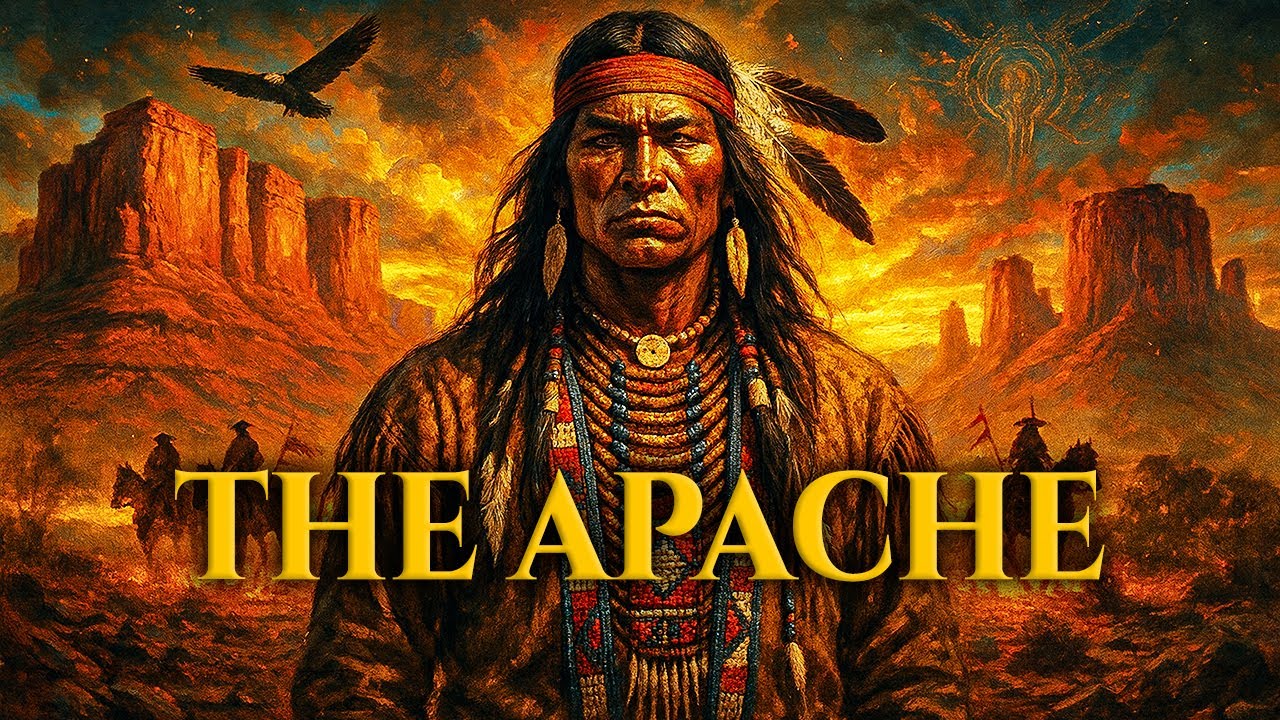
Welcome back, and thank you for joining us tonight. If you’re here for history for sleep, history to fall asleep to, or simply a soothing sleep documentary to help you unwind, you’re in the right place. Tonight, we’ll be exploring the story of the Apache, one of the most well-known and resilient Native American peoples.
The Apache trace their origins to the southwestern regions of North America, where they lived across deserts, mountains, and plains. Known for their adaptability and deep connection to the land, they built communities rooted in family, tradition, and survival. Their way of life was shaped by hunting, farming, and trade, as well as by the challenges of living in harsh but beautiful landscapes.
In time, the Apache became known as fierce warriors and skilled raiders, defending their homelands against rival tribes, Spanish colonizers, Mexican forces, and later the expansion of the United States. Leaders such as Cochise, Victorio, and Geronimo became legendary figures, symbols of resistance and determination in the face of overwhelming odds.
Despite hardships, forced relocations, and struggles for survival, the Apache people endured. Their traditions, languages, and culture continue today, preserved by communities who carry forward their heritage with pride and resilience.
In this history documentary, we’ll gently trace the origins, struggles, and enduring legacy of the Apache—their lands, their leaders, and their unbroken spirit. This is history for sleep, history to fall asleep to, and a calming history to fall asleep journey through the story of one of North America’s most remarkable peoples.
So settle in, let the story of the Apache unfold softly, and allow their journey through deserts and mountains to carry you peacefully into rest. Sweet dreams, and good night.
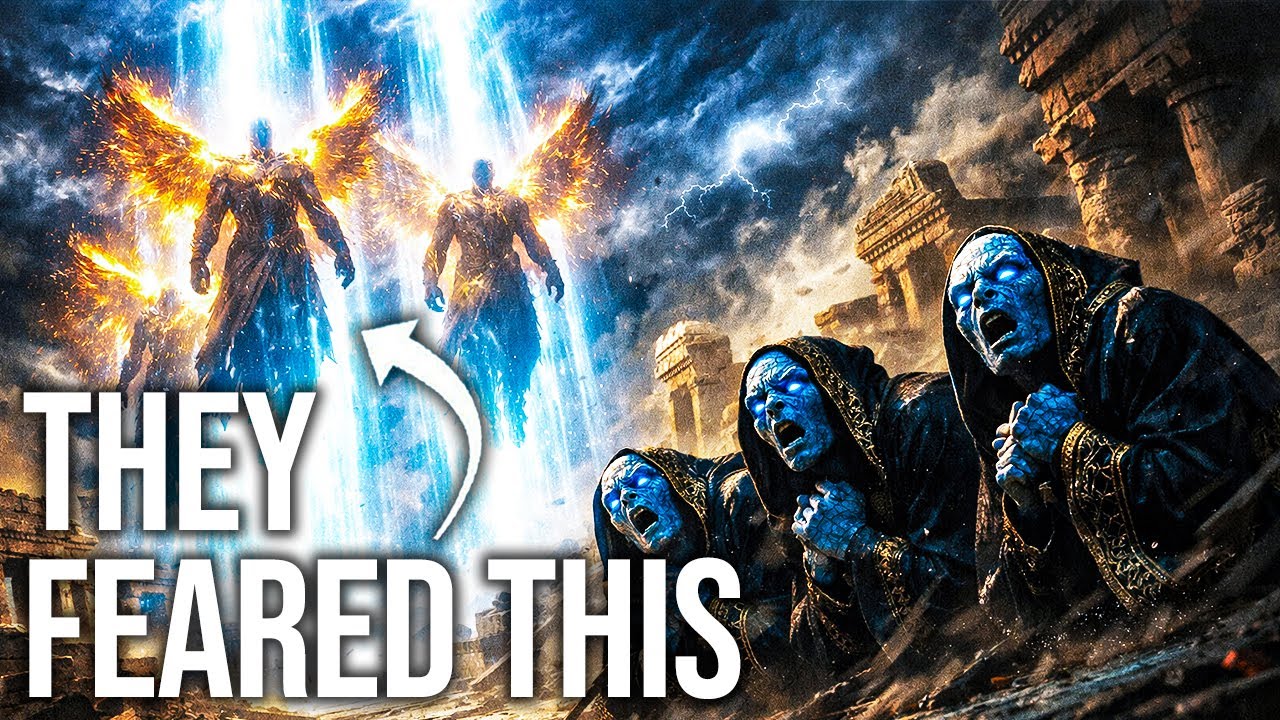
Fear appears in the Sumerian records long before humanity becomes a problem. The oldest tablets suggest that the Anunnaki worried less about rebellion from below and more about forces they could neither command nor confront. Tonight’s story lingers on that quiet anxiety—what the gods themselves feared most.
The texts rarely describe the Anunnaki as all-powerful. Instead, they acknowledge limits. Councils debate outcomes they cannot fully control. Decisions are delayed. Silence follows certain events without explanation. These moments hint at pressures beyond human influence, where even divine authority hesitated.
Rather than naming this fear directly, the records circle it. They speak of imbalance, of boundaries that must not be crossed, of primordial states that threaten to return if order weakens. Humanity is treated as noise, labor, or inconvenience—but never as the ultimate danger. Something older, deeper, and less personal looms behind the language.
In several passages, restraint replaces confrontation. Judgment is chosen over battle. Withdrawal replaces dominance. The Anunnaki act not like rulers suppressing revolt, but like administrators containing risks they cannot eliminate. What they fear is not resistance, but collapse—of order, of structure, of the system that allows existence to remain stable.
This history documentary gently explores what the Anunnaki feared more than humanity—the unnamed forces, the returning chaos, and the limits even gods could not cross. This is history for sleep, history to fall asleep to, and a calming history to fall asleep journey into divine restraint, ancient anxiety, and the quiet truth that power is often shaped by what it cannot face.
Let the hush of unspoken fear drift softly into the night, and allow the mystery of what even the gods feared to guide you peacefully into rest. Sweet dreams, and good night.

Welcome back, and thank you for joining us tonight. If you’re here for history for sleep, history to fall asleep to, or simply a gentle sleep documentary to help your thoughts ease into stillness, you’re in the right place. Tonight, we’ll explore a question that sits at the crossroads of modern science and ancient mystery—what NASA may know about Nibiru that has never been fully explained to the public.
For decades, astronomers have searched the outer edges of the solar system, tracking strange gravitational effects, unusual orbital paths, and objects that do not behave as expected. Officially, these anomalies are discussed in terms of dark matter, distant dwarf planets, or the possibility of a hypothetical “Planet Nine.” Yet to some observers, these explanations feel incomplete, leaving room for an older idea to quietly resurface—the ancient Sumerian concept of Nibiru, the wandering world associated with the Anunnaki.
NASA has acknowledged unexplained forces shaping the Kuiper Belt, the existence of massive objects far beyond Neptune, and the limits of what current telescopes can observe in deep space. But gaps remain—regions of darkness where data is sparse, and answers are careful, measured, and often delayed. To those who study ancient texts, this silence feels familiar. The Sumerians wrote of a hidden body that appears only at certain times, a world whose presence is known more by its effects than by direct sight.
What if modern science is encountering the same mystery through mathematics rather than myth? What if Nibiru is not openly denied, but quietly redefined—spoken of in fragments, renamed, and absorbed into technical language that distances it from ancient memory? Whether coincidence, caution, or something else entirely, the overlap between ancient warnings and modern uncertainty continues to provoke quiet speculation.
In this history documentary, we’ll gently explore what NASA has officially said, what remains unanswered, and why the idea of Nibiru refuses to disappear from the edges of both science and history. This is history for sleep, history to fall asleep to, and a calming history to fall asleep journey through distant orbits, unspoken data, and the subtle tension between what is known and what is withheld.
So settle in, let the quiet darkness of space drift softly through your imagination, and allow the mystery of Nibiru—and the questions that surround it—to guide you peacefully into rest. Sweet dreams, and good night.
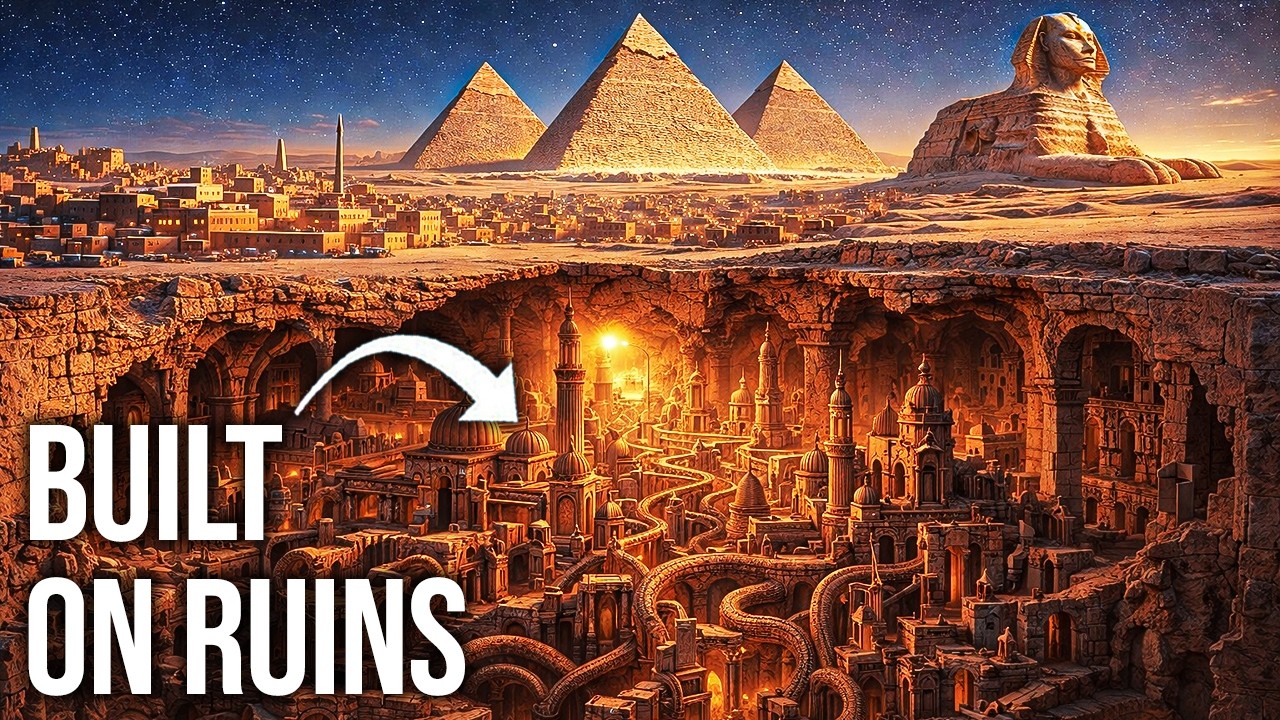
Long before the first dynasties of Egypt were recorded, the land along the Nile may have already carried a deeper history. Tonight’s story moves gently into that possibility—the idea that the civilization we recognize was not a beginning, but a continuation built upon something far older.
Early Egypt appears suddenly, already organized. Writing exists. Stonework is precise. Monuments rise with a level of planning that feels complete rather than experimental. There is little evidence of gradual development, as if knowledge arrived already formed, inherited rather than discovered step by step.
Across key sites, signs of reuse appear. Foundations beneath temples seem older than the structures above them. Stones are repurposed. Sacred locations are chosen again and again, suggesting that certain places were important long before Egypt claimed them. The land itself feels layered, holding traces of earlier intent beneath later construction.
Climate adds another quiet clue. There was a time when the Sahara was green, when rainfall shaped the landscape in ways no longer seen. If monuments or structures existed during that earlier age, they may have been weathered, buried, and eventually rediscovered by those who came after. What appears as origin may be restoration.
This history documentary gently explores whether ancient Egypt was built on the ruins of a lost civilization—the sudden rise, the reused ground, and the possibility that the first Egyptians inherited more than they created. This is history for sleep, history to fall asleep to, and a calming history to fall asleep journey into layered timelines, forgotten worlds, and the quiet sense that history may have begun long before it was written.
Let the sands of an older age drift softly into the night, and allow the mystery of what came before Egypt to guide you peacefully into rest. Sweet dreams, and good night.
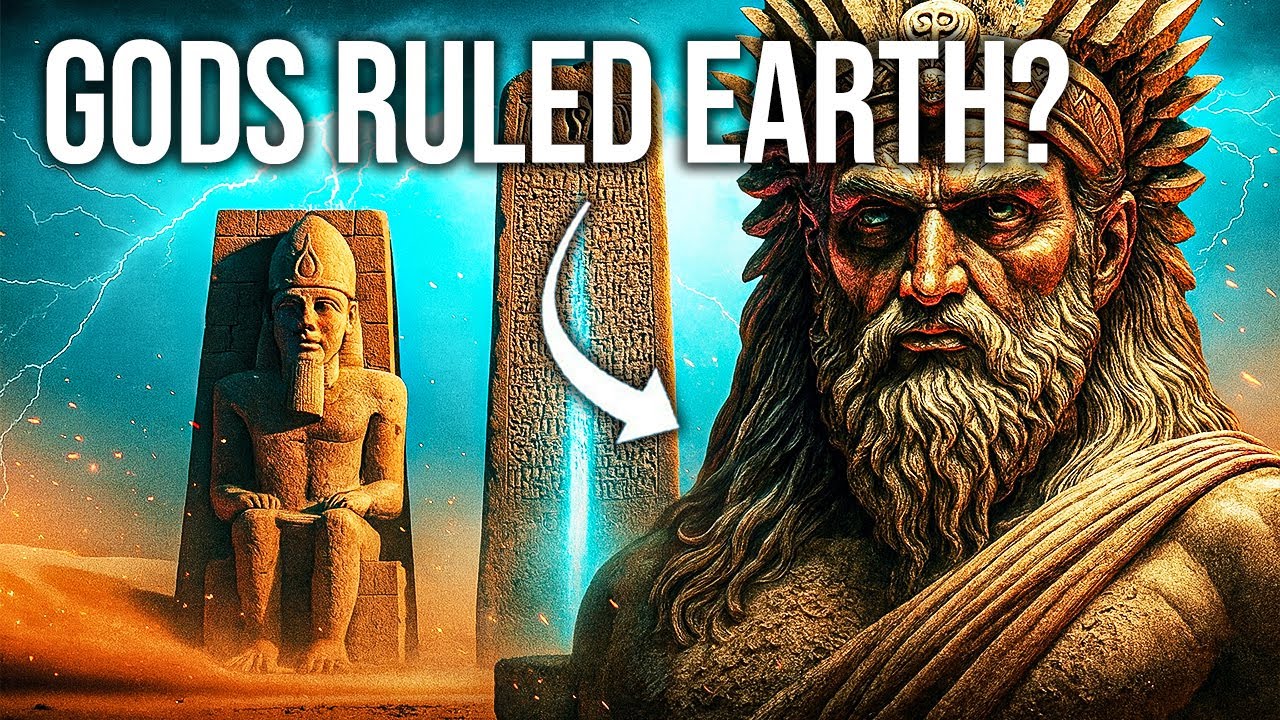
Welcome back, and thank you for joining us tonight. If you’re here for history for sleep, history to fall asleep to, or simply a soothing sleep documentary to help you rest, you’re in the right place. Tonight, we’ll travel deep into the ancient world of Mesopotamia to explore one of the most mysterious records ever written—the Sumerian Kings List, a text that speaks of an age when gods ruled the Earth for 241,200 years.
Inscribed on ancient clay tablets thousands of years ago, the Sumerian Kings List tells of a time before recorded history, when rulers reigned for impossibly long lifespans, their power descending from the heavens. These names, written in cuneiform script, mark the dawn of kingship in human memory, beginning in the city of Eridu—the first city on Earth, said to have been founded by the gods themselves.
The list speaks of a great flood that swept over the land, dividing eras of divine rule and human kingship. After the flood, new dynasties rose in Kish, Uruk, Ur, and other cities, bridging the line between myth and history. Scholars and dreamers alike have long wondered what these enormous reigns might mean—symbolic ages of divine order, or memories of something older and forgotten.
In this history documentary, we’ll gently explore the origins and meaning of the Sumerian Kings List—the myths it preserves, the kings it remembers, and the mysteries it still holds about the first civilizations on Earth. This is history for sleep, history to fall asleep to, and a calming history to fall asleep journey through the timeless records of Sumer, where gods and men shared the same story.
So settle in, let the tale of the ancient kings unfold softly, and allow the voices of old Mesopotamia to guide you peacefully into the night. Sweet dreams, and good night.
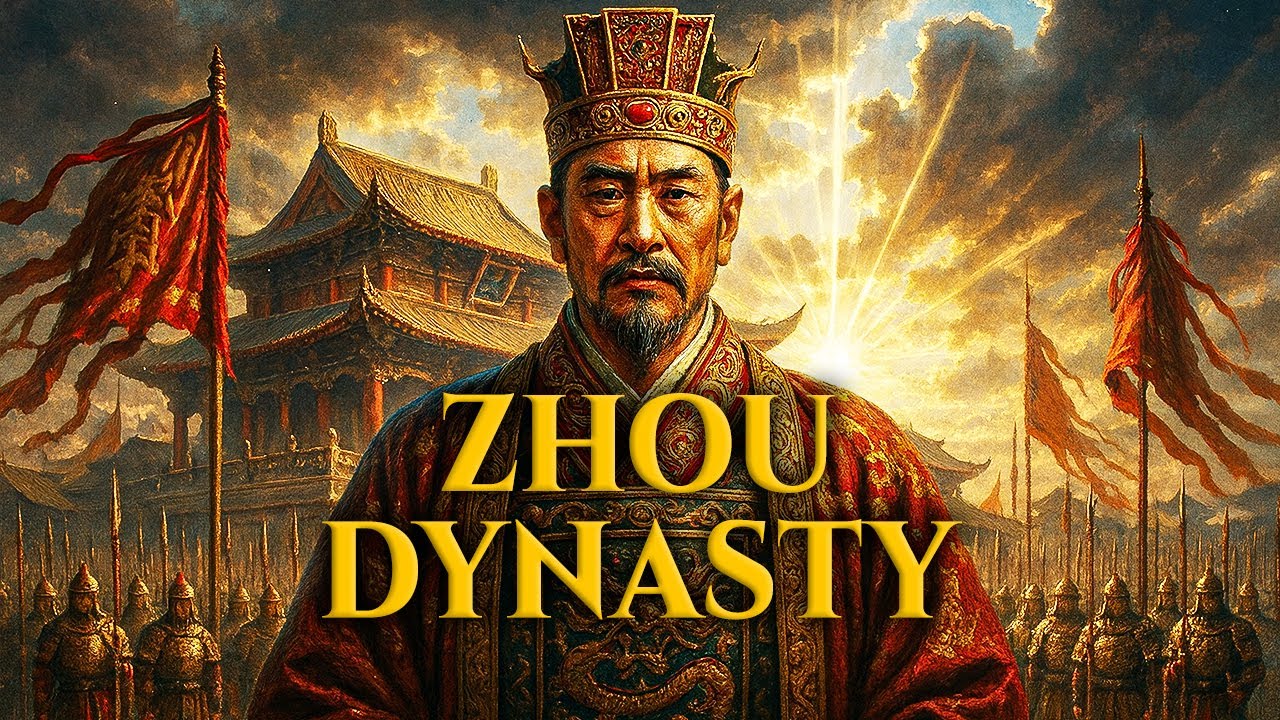
Welcome back, and thank you for joining us tonight. If you’re here for history for sleep, history to fall asleep to, or simply a soothing sleep documentary to help you relax, you’re in the right place. Tonight, we’ll journey into the story of the Zhou Dynasty, the longest-ruling dynasty in Chinese history.
The Zhou first rose to power around the eleventh century BCE, overthrowing the Shang and establishing a new order based on the Mandate of Heaven, a belief that rulers were chosen by divine authority. For centuries, the Western Zhou kings maintained stability, expanding their lands and refining traditions in governance, ritual, and culture.
Over time, however, central power weakened, giving way to the Eastern Zhou period, marked by division and struggle. The Spring and Autumn era and the Warring States period saw countless rivalries, shifting alliances, and constant conflict. Yet from this turbulence came some of China’s most enduring philosophies—Confucianism, Daoism, and Legalism—ideas that would shape civilization for millennia.
In this history documentary, we’ll gently trace the rise, reign, and transformation of the Zhou Dynasty—their kings, their challenges, and their legacy of thought and tradition. This is history for sleep, history to fall asleep to, and a calming history to fall asleep journey through one of the most important chapters of China’s ancient past.
So settle in, let the story of the Zhou unfold slowly, and allow the echoes of their kingdoms and philosophies to carry you into rest. Sweet dreams, and good night.
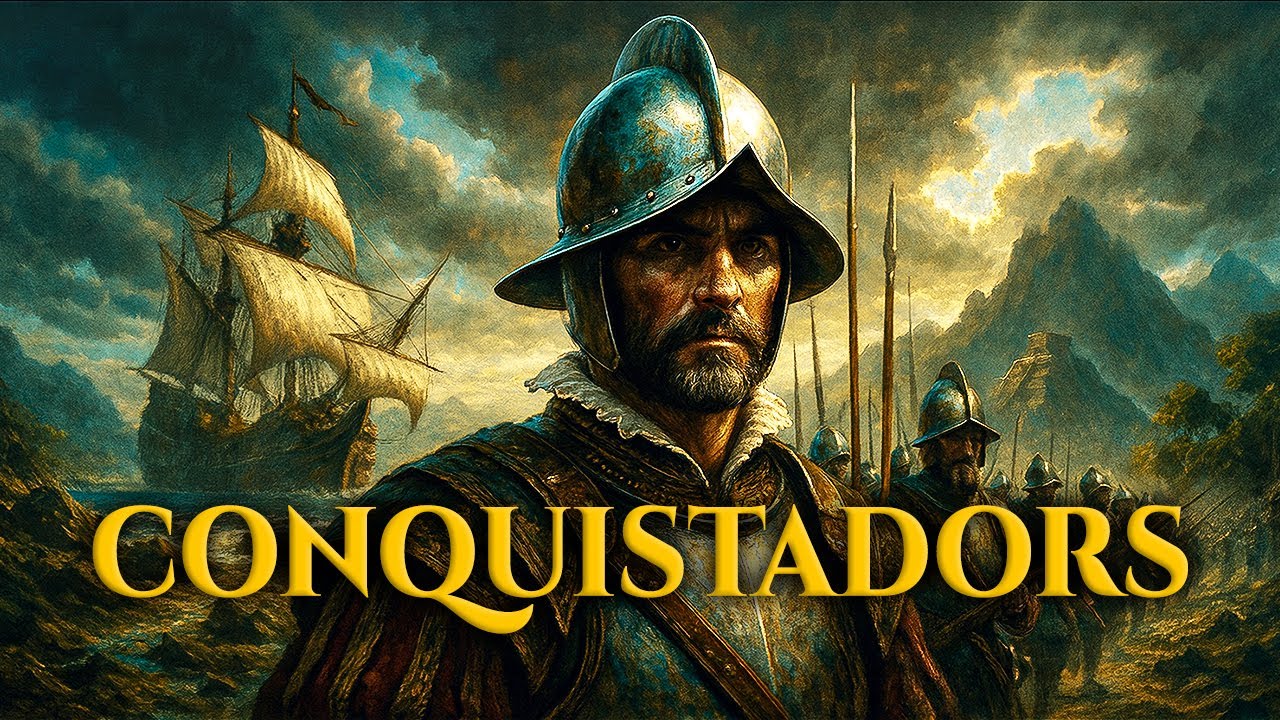
Welcome back, and thank you for joining us tonight. If you’re here for history for sleep, history to fall asleep to, or simply a gentle sleep documentary to help you relax, you’re in the right place. Tonight, we’ll be exploring the story of the Conquistadors, the adventurers and soldiers who crossed oceans and changed the course of history in the New World.
The Conquistadors were men of ambition who set sail from Spain during the Age of Exploration, seeking wealth, land, and glory. Armed with steel, horses, and determination, they ventured into lands unknown to Europeans, encountering great civilizations, vast territories, and challenges that tested their endurance. Their names, from Hernán Cortés to Francisco Pizarro, became linked to conquest, empire, and transformation.
They fought in battles that toppled mighty empires, such as the Aztecs in Mexico and the Incas in Peru. Yet their story was not only one of warfare, but also of alliances, exploration, and the blending—and often clashing—of cultures. The Conquistadors brought new faiths, languages, and systems, while also taking part in struggles, rebellions, and the hardships of survival in distant lands.
Through their victories and failures, the Conquistadors left behind a legacy that shaped the Americas and Europe alike. Their actions filled ships with silver and gold, spread stories of lost cities, and inspired generations of exploration, while also leaving behind scars of conflict, disease, and change that reshaped entire worlds.
In this history documentary, we’ll gently trace the rise, journeys, and legacy of the Conquistadors—their battles, their ambitions, and the mark they left on history. This is history for sleep, history to fall asleep to, and a calming history to fall asleep journey into the world of empire, exploration, and transformation.
So settle in, let the story of the Conquistadors unfold softly, and allow their journeys across seas and continents to guide you into peaceful rest. Sweet dreams, and good night.

Welcome back, and thank you for joining us tonight. If you’re here for history for sleep, history to fall asleep to, or simply a gentle sleep documentary to help you unwind, you’re in the right place. Tonight, we’ll journey back to the ancient world of Sumer, to rediscover one of its most powerful yet forgotten figures—Ninurta, the Anunnaki warrior who, according to legend, fought to save humanity itself.
In the oldest cuneiform tablets, Ninurta is described as the son of Enlil, the great lord of heaven and earth, and one of the mightiest defenders of the divine order. He was the god of war and of agriculture, of thunder and renewal—a bringer of both destruction and life. When chaos rose upon the Earth, it was Ninurta who took up his celestial weapon, the Sharur, to battle the forces that threatened creation. Myths tell of him striking down monsters born from the Flood, reclaiming the Tablets of Destiny, and restoring balance to a world teetering between ruin and rebirth.
Yet, with time, his memory faded. As empires rose and fell, Ninurta’s name was overshadowed by those of Enlil, Enki, and later gods who inherited his stories. Still, traces of him endure—in the stones of ancient temples, in echoes of later heroes, and in the enduring archetype of the divine protector who fights not for conquest, but for survival and order. Some even see in Ninurta’s battles an allegory of celestial warfare, a cosmic struggle remembered by the Sumerians as both myth and history.
In this history documentary, we’ll gently explore the legacy of Ninurta—the ancient texts that describe his deeds, the symbols that preserve his story, and the mystery of how a forgotten god may have once stood between destruction and the survival of humankind. This is history for sleep, history to fall asleep to, and a calming history to fall asleep journey through the silent ruins of Sumer, where the memory of a warrior god still lingers in the dust.
So settle in, let the ancient winds of Mesopotamia whisper through your imagination, and allow the story of Ninurta—the forgotten protector of the Earth—to guide you softly into peaceful rest. Sweet dreams, and good night.
